
What is Tourtiere Meat Pie? A Canadian Culinary Gem
Uncover the rich history, diverse regional variations, and comforting flavors of Canada's beloved savory meat pie.
Taste Tradition NowKey Takeaways
- ✓ Tourtière is a traditional French-Canadian meat pie, often served during holidays.
- ✓ Its origins trace back to the 17th century in Quebec.
- ✓ Key ingredients typically include ground meat (pork, beef, or wild game) and spices.
- ✓ Regional variations exist, influencing meat choices, crust, and spicing.
How It Works
Brown your chosen ground meat (pork, beef, veal, or a combination) with onions and garlic. Season generously with spices like cloves, cinnamon, nutmeg, and allspice, creating a rich, aromatic mixture. Simmer with a little broth to ensure tenderness.
Line a pie dish with a flaky pastry crust. Spoon the cooled meat filling into the crust, ensuring an even distribution. Top with a second pastry crust, crimping the edges to seal and cutting vents for steam to escape during baking.
Bake the tourtière in a preheated oven until the crust is golden brown and the filling is bubbling hot. The baking time will vary depending on the size of the pie. Allow it to rest briefly before serving.
Tourtière is traditionally served hot, often with a side of ketchup, fruit preserves, or a simple green salad. It's a hearty and comforting dish, perfect for family gatherings or a cozy winter meal.
Unpacking the Essence: What is Tourtiere Meat Pie?
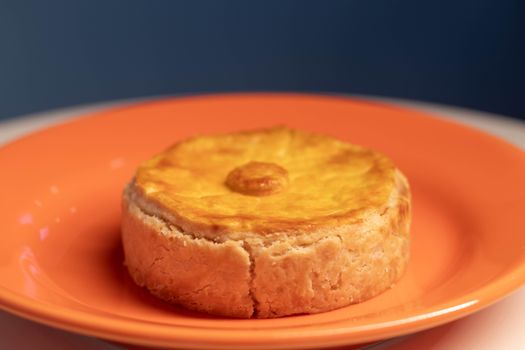 Photo: Mayara Caroline Mombelli / Pexels
A Journey Through History: The Origins of Tourtière
 Photo: Alesia Kozik / Pexels
Regional Delights: Variations of Tourtière Across Canada
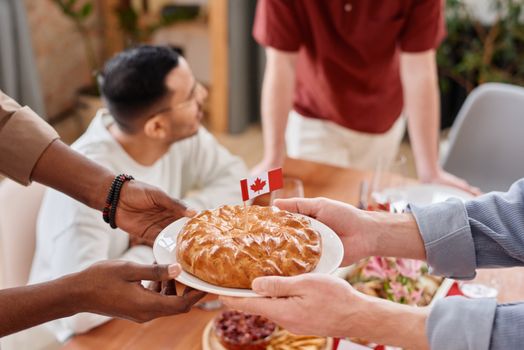 Photo: Cedric Fauntleroy / Pexels
Mastering Your Tourtière: Tips and Common Mistakes
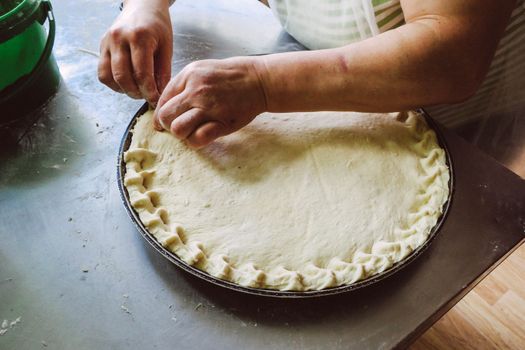 Photo: Christina Voinova / Pexels
Comparison
| Feature | Tourtière du Lac-Saint-Jean | Tourtière de Montréal | English Meat Pie | Empanada |
|---|---|---|---|---|
| Meat Type | Cubed (pork, beef, wild game) | Ground (pork, beef, veal) | Cubed/Ground (beef, lamb, chicken) | Ground (beef, pork, chicken) |
| Texture | Chunky, hearty | Smooth, fine | Varied, often gravy-like | Ground, sometimes stew-like |
| Primary Spices | Savory herbs, bay leaf | Cloves, cinnamon, nutmeg | Thyme, rosemary, bay leaf | Cumin, paprika, oregano |
| Crust | Thick, rustic pastry | Flaky, standard pie crust | Often puff pastry or shortcrust | Doughy, often fried or baked |
| Typical Size | Large, deep dish | Standard pie plate | Individual or large pie | Individual handheld |
| Traditional Occasion | Christmas, New Year's | Christmas, New Year's | Everyday, pub food | Snack, party food |
| Side Accompaniments | Ketchup, pickles | Ketchup, fruit preserves | Gravy, vegetables | Chili sauce, salsa |
What Readers Say
"This article perfectly captures what is Tourtiere meat pie! It brought back so many memories of my grandmother's kitchen during the holidays. The historical context was fascinating."
Émilie Dubois · Quebec City, QC"I always heard about tourtière but never really understood its significance. This piece cleared everything up, and now I'm inspired to try making one myself. Excellent read!"
Mark Johnson · Toronto, ON"After reading this, I finally understood the difference between the Lac-Saint-Jean and Montreal versions. I made the Montreal style for a potluck, and it was a huge hit, thanks to the spice tips!"
Sarah Lee · Vancouver, BC"Very informative article on what is Tourtiere meat pie. While it covered a lot, I would have loved a small section on vegetarian alternatives, even if it's not traditional. Still, a great resource!"
David Chen · Calgary, AB"As a Québécoise, I can confirm this article truly explains what is Tourtiere meat pie. It's a dish of love and tradition, and this piece honors that beautifully. Well done!"
Isabelle Tremblay · Montreal, QCFrequently Asked Questions
What is the primary difference between a Tourtière and a regular meat pie?
The primary difference lies in the specific spice blend and the cultural context. Tourtière typically uses warming spices like cloves, cinnamon, and nutmeg, giving it a distinct aromatic profile, and is deeply rooted in French-Canadian holiday traditions. Regular meat pies often rely on savory herbs and have broader, less specific regional associations.
Is Tourtière difficult to make for a home cook?
While making tourtière involves several steps (preparing the filling, making the crust, assembling, and baking), it is generally considered achievable for a home cook. The key is to follow a good recipe, pay attention to the details like cooling the filling, and not overwork the pastry. Many find the process rewarding and part of the tradition.
How do I ensure my Tourtière crust is flaky and not soggy?
To achieve a flaky, non-soggy crust, ensure your pastry dough is very cold and not overworked. Crucially, allow your meat filling to cool completely before placing it into the raw pie shell. You can also par-bake the bottom crust for 10-15 minutes before adding the filling to create a barrier against moisture.
What is the typical cost of ingredients for a Tourtière?
The cost of ingredients for a Tourtière can vary based on your choice of meat and whether you make your own pastry. Generally, it's a relatively economical dish. Using a mix of ground pork and beef is usually budget-friendly, costing around $15-$25 for a standard pie, making it an excellent value for a hearty meal.
How does Tourtière compare to an American pot pie?
Tourtière differs significantly from an American pot pie. Pot pies typically feature a creamy, gravy-like filling with chunks of meat (often chicken) and vegetables, topped with a single crust (sometimes puff pastry). Tourtière, on the other hand, has a less creamy, more densely packed, spiced ground or cubed meat filling and is always double-crusted.
Who should try Tourtière meat pie?
Anyone who enjoys savory meat pies, comforting traditional dishes, or is curious about Canadian cuisine should absolutely try Tourtière. It's perfect for family gatherings, holiday meals, or simply a cozy dinner on a cold evening. It appeals to those who appreciate rich flavors and a touch of historical culinary charm.
Are there any common allergens in Tourtière?
The most common allergens in Tourtière are wheat (in the pastry crust) and sometimes dairy (if butter is used in the crust or milk in an egg wash). The meat filling itself is typically gluten-free if no binding agents are added. Always check specific recipes and ingredient labels if you have allergies.
What are the future trends for Tourtière?
Future trends for Tourtière may include more gourmet interpretations using artisanal meats or unique spice blends, as well as an increased focus on sustainable and locally sourced ingredients. There's also a growing interest in plant-based versions, adapting the traditional flavors for vegetarian and vegan diets, reflecting broader culinary shifts.
Now that you know what is Tourtiere meat pie, it's time to experience this Canadian culinary masterpiece firsthand. Whether you bake one from scratch or seek out an authentic version, embrace the rich flavors and comforting tradition of tourtière today. Your taste buds will thank you!