✓ A Nanaimo Bar is a no-bake dessert square originating from Nanaimo, British Columbia, Canada.
✓ It consists of three distinct layers: a crumbly chocolate coconut base, a creamy custard-flavored filling, and a rich chocolate ganache topping.
✓ The recipe gained national prominence after being published in the 'Edith Adams' Prize Recipes' in 1953.
✓ It was named Canada's 'Best-Loved Confection' in a 2006 national poll.
✓ There's an annual Nanaimo Bar Trail in its namesake city, featuring various interpretations of the classic.
How It Works
1
Prepare the Base Layer
Melt butter, sugar, and cocoa, then stir in egg. Combine with graham cracker crumbs, coconut, and nuts. Press firmly into a pan and chill.
2
Mix the Custard Filling
Cream together butter, icing sugar, and custard powder. Add milk gradually until smooth and creamy. Spread this over the chilled base.
3
Create the Chocolate Topping
Melt chocolate and butter together until smooth. Allow it to cool slightly before pouring evenly over the custard layer.
4
Chill and Serve
Refrigerate the entire bar until the chocolate topping is firm. Once set, cut into squares and enjoy this delightful Canadian treat.
Unpacking the Layers: What Exactly is a Nanaimo Bar?
Photo: alleksana / Pexels
At its heart, a Nanaimo Bar is a quintessential Canadian no-bake dessert, a delightful symphony of textures and flavors that has captivated palates for decades. Originating from Nanaimo, British Columbia, this iconic sweet treat is characterized by its distinct three-layer structure, each contributing to an unforgettable culinary experience. The base layer is a rich, crumbly mixture typically made from chocolate, butter, graham cracker crumbs, desiccated coconut, and sometimes chopped nuts. This provides a satisfyingly chewy and slightly crunchy foundation that holds the entire bar together. It's a testament to simple ingredients coming together to create something extraordinary, offering a deep, earthy chocolate flavor that perfectly complements the subsequent layers. The beauty of this base lies in its no-bake nature; there's no oven required, making it accessible even to novice bakers or those looking for a quick dessert solution. The combination of chocolate and coconut is classic, providing a tropical hint that balances the richness of the cocoa. This layer is pressed firmly into a pan and chilled, ensuring it sets properly before the next component is added. The precise ratio of ingredients is crucial here, as too much liquid can make it soggy, while too little can make it too dry and crumbly. Achieving that perfect balance is part of the art of a truly great Nanaimo Bar. Understanding the role of each ingredient in this foundational layer is key to appreciating the bar's overall structure and taste profile. It's more than just a sweet bottom; it's the anchor that grounds the entire dessert, providing a robust counterpoint to the creamy sweetness above. The slight bitterness of the cocoa, combined with the sweetness of the sugar and the textural intrigue of the coconut and graham crumbs, creates a complex flavor profile that belies its simple preparation. This base is not just a carrier for the other layers; it's a star in its own right, setting the stage for the indulgence that follows. Many variations exist, but the core elements of chocolate, butter, and graham crackers remain steadfast, forming the bedrock of this beloved Canadian confection. The chilling process is vital, as it allows the butter to solidify, binding the crumbs and creating a firm, sliceable base that won't fall apart when cut.
The Creamy Heart: Delving into the Custard Filling
Photo: Regina Ferraz / Pexels
Nestled atop the chocolate-coconut base is the Nanaimo Bar's signature creamy middle layer: the custard filling. This is arguably the most distinctive component, giving the bar its unique flavor and smooth texture. Traditionally, this filling is made from butter, icing sugar, and most importantly, custard powder. The custard powder, often Bird's Custard Powder in Canada, is what imparts that characteristic pale yellow hue and a subtle, comforting vanilla-like flavor that is instantly recognizable to anyone familiar with this dessert. It's not a true custard in the sense of being cooked with eggs and milk on the stovetop, but rather a no-bake buttercream-style filling that uses the powder for flavor and a slight thickening agent. The process involves creaming softened butter with icing sugar until light and fluffy, then gradually incorporating the custard powder and a touch of milk or cream to achieve a smooth, spreadable consistency. The key here is to ensure the butter is at room temperature for optimal creaming, preventing lumps and ensuring a silky-smooth filling. This layer provides a delightful contrast to the rich, dark base, offering a sweet, mellow, and incredibly smooth experience that melts in your mouth. Its sweetness perfectly balances the slight bitterness of the chocolate in both the base and the topping. Without this specific custard-flavored filling, a Nanaimo Bar simply wouldn't be a Nanaimo Bar; it's the element that truly defines its identity and sets it apart from other no-bake bars. The careful balance of sweetness and creaminess is paramount; too much sugar can make it cloyingly sweet, while too little can leave it bland. The milk or cream content also needs to be precise to achieve the ideal consistency – firm enough to hold its shape when cut, yet soft enough to be delightfully yielding. This middle layer is a testament to the ingenuity of Canadian home bakers who perfected this unique flavor profile. It's a comforting and nostalgic taste for many, evoking memories of family gatherings and special occasions. The pale yellow color also adds a visual appeal, creating a beautiful contrast against the dark brown of the other two layers, making the Nanaimo Bar as pleasing to the eye as it is to the palate. This filling is a masterclass in achieving complex flavor and texture with relatively simple ingredients, proving that sometimes, the most beloved dishes are born from clever combinations rather than elaborate techniques.
The Glossy Crown: Finishing with Chocolate Ganache
Photo: SHVETS production / Pexels
Crowning the Nanaimo Bar is the final, irresistible layer: a smooth, glossy chocolate ganache. This topping not only adds another dimension of rich chocolate flavor but also provides a beautiful, firm finish that seals in the creamy custard layer below. Typically, this ganache is made by melting semi-sweet or dark chocolate with a small amount of butter. The butter helps to create a smoother, shinier finish and prevents the chocolate from becoming too hard and brittle when chilled, ensuring a clean cut and a pleasant bite. The process is straightforward: gently melt the chocolate and butter together, either in a double boiler or carefully in a microwave, stirring until completely smooth and homogeneous. It's crucial not to overheat the chocolate, as this can cause it to seize or become grainy. Once melted, the ganache should be allowed to cool slightly before being poured over the chilled custard layer. Pouring hot ganache onto a cold, creamy layer can cause the custard to melt or soften, compromising the bar's structure. The slight cooling allows the ganache to thicken just enough to be spread evenly without disturbing the layer beneath. This chocolate topping provides a satisfying snap when you bite into it, followed by the yielding creaminess of the custard and the chewy base. It's the perfect capstone, bringing together all the flavors and textures into a harmonious whole. The quality of the chocolate used in this layer can significantly impact the overall taste; a good quality chocolate will offer a deeper, more nuanced flavor. Exploring different types of chocolate can lead to exciting variations in the ganache. The ganache also acts as a protective layer, helping to keep the bar fresh and preventing the custard from drying out. Its sheen is visually appealing, making the Nanaimo Bar an attractive addition to any dessert platter. The slight bitterness of the dark chocolate often used in the ganache provides a sophisticated counterpoint to the sweetness of the custard, ensuring the bar is rich but never overwhelmingly sweet. This final layer is more than just a topping; it's an integral part of the Nanaimo Bar's identity, delivering that satisfying chocolate finish that completes the experience. The careful application and chilling of this layer are essential for achieving the perfect Nanaimo Bar, ensuring each slice is a work of art.
Tips for Perfecting Your Nanaimo Bars & Common Mistakes to Avoid
Creating the perfect Nanaimo Bar is a rewarding culinary endeavor, and a few key tips can elevate your homemade treats from good to truly exceptional. Firstly, ensure all your ingredients are at the correct temperature. For the base, melted butter should be warm enough to combine ingredients but not scorching hot, which could cook the egg. For the custard filling, using softened, room-temperature butter is absolutely critical for achieving that smooth, lump-free, and creamy consistency. Cold butter will result in a clumpy filling that won't spread evenly. Secondly, chilling time is non-negotiable. Each layer needs adequate time in the refrigerator to set firmly before the next layer is added. Rushing this process will lead to layers bleeding into each other or the bar falling apart when cut. A minimum of 30 minutes to an hour per layer, and several hours for the final set, is recommended. Thirdly, when pressing the base into the pan, compact it very firmly. This prevents it from crumbling when you slice the bars. Using the bottom of a glass or a flat-bottomed measuring cup can help achieve an even, dense layer. Fourthly, for the chocolate ganache topping, allow it to cool slightly before pouring it over the chilled custard. Pouring hot ganache will melt the custard, creating a messy, inconsistent layer. A slightly cooled ganache will set more quickly and cleanly. Finally, for clean cuts, use a sharp knife that has been run under hot water and wiped dry between each cut. This helps the chocolate topping to slice cleanly without cracking.
**Common Mistakes to Avoid:**
* **Not chilling enough:** The most frequent error, leading to a gooey, unmanageable bar.
* **Overheating chocolate:** Can cause the ganache to seize or become dull, losing its shine.
* **Lumpy custard filling:** Usually due to cold butter or not sifting icing sugar/custard powder.
* **Too much liquid in the base:** Makes the base soggy and difficult to set.
* **Cutting before fully set:** Results in messy, uneven bars with cracked chocolate.
* **Using wrong pan size:** An incorrect pan size can lead to bars that are too thin or too thick, altering the desired layer ratio and texture. Always use the specified pan size for optimal results.
By paying attention to these details, you'll be well on your way to crafting Nanaimo Bars that are not only delicious but also visually stunning and perfectly structured.
Comparison
Feature
Nanaimo Bar (Classic)
No-Bake Chocolate Bar
Millionaire's Shortbread
Origin
Nanaimo, BC, Canada
Various
Scotland
Layers
3 (Base, Custard, Ganache)
2-3 (Base, Filling, Topping)
3 (Shortbread, Caramel, Chocolate)
Key Flavor
Chocolate, Coconut, Custard
Chocolate, Varies
Shortbread, Caramel, Chocolate
Baking Required
✗
✗
✓ (for shortbread)
Custard Powder
✓
✗
✗
Texture
Chewy, Creamy, Snappy
Varies (often chewy)
Crumbly, Chewy, Snappy
Complexity
Medium
Easy to Medium
Medium to Hard
What Readers Say
★★★★★
"I've always loved Nanaimo Bars, but understanding the specific role of each layer from this article truly deepened my appreciation. The custard filling is just magical!"
Sarah L. · Vancouver, BC
★★★★★
"This guide on what is a Nanaimo Bar is incredibly thorough. I tried making them for the first time using the tips, and they turned out perfectly, just like my grandma used to make."
Mark T. · Toronto, ON
★★★★★
"The explanation of the no-bake aspect and the historical context was fascinating. I made a batch for a potluck, and they were the first dessert to disappear!"
Emily R. · Calgary, AB
★★★★★
"While the article is excellent, I found the ganache a bit tricky to get perfectly shiny. Still, the overall taste was fantastic, and the instructions were very clear."
David P. · Montreal, QC
★★★★★
"As someone who's always bought Nanaimo Bars, reading this made me want to try making them from scratch. The comparison table was also super helpful for understanding its unique place among desserts."
Jessica M. · Halifax, NS
Frequently Asked Questions
What makes a Nanaimo Bar different from other chocolate bars?
The defining characteristic of a Nanaimo Bar is its unique three-layer structure: a chocolate-coconut-graham cracker base, a distinct custard-flavored buttercream middle layer, and a chocolate ganache topping. The custard powder in the filling is particularly unique, setting it apart from other no-bake chocolate squares.
Is it difficult to make Nanaimo Bars at home?
Nanaimo Bars are surprisingly easy to make at home, as they are a no-bake dessert. The main challenges involve ensuring each layer is properly chilled and set before adding the next, and achieving a smooth, lump-free custard filling. With patience and attention to detail, they are very achievable for home bakers.
How long do Nanaimo Bars last, and how should they be stored?
Nanaimo Bars should be stored in an airtight container in the refrigerator. They typically last for up to one week when properly stored. They can also be frozen for up to 2-3 months, making them an excellent make-ahead treat.
Are there any common variations of the Nanaimo Bar recipe?
Yes, while the classic recipe is beloved, there are many variations! Some include adding espresso powder to the base or ganache, using different nuts like pecans or almonds, or experimenting with flavored extracts in the custard layer (e.g., mint or orange). There's even a 'Nanaimo Bar Trail' in Nanaimo featuring unique interpretations.
What is the origin story of the Nanaimo Bar?
The Nanaimo Bar originated in Nanaimo, British Columbia, Canada. While its exact creator is debated, the earliest known recipe for a similar bar appeared in a 1952 cookbook, and the recipe gained national fame after being published in 'Edith Adams' Prize Recipes' in 1953, solidifying its place in Canadian culinary history.
Who should try making Nanaimo Bars?
Anyone with a love for chocolate, creamy desserts, and no-bake treats should absolutely try making Nanaimo Bars. They are perfect for potlucks, holiday gatherings, or simply as a comforting indulgence. They're also great for those new to baking, as no oven is required.
Are Nanaimo Bars safe for people with nut allergies?
Traditional Nanaimo Bar recipes often include nuts (usually walnuts or pecans) in the base. However, it is very easy to make them nut-free by simply omitting the nuts from the base layer. Always check ingredient labels if purchasing, or ensure no nuts are used if making them for someone with an allergy.
What are the future trends for Nanaimo Bar popularity?
The Nanaimo Bar's popularity shows no signs of waning, especially with the rise of nostalgic comfort foods. Future trends might include more gourmet versions appearing in high-end bakeries, increased global recognition as a distinct Canadian dessert, and continued experimentation with flavor combinations while respecting the classic's integrity, perhaps even vegan or gluten-free adaptations.
Ready to experience a true taste of Canada? Dive into the delightful world of Nanaimo Bars and discover why this no-bake wonder remains a cherished national treasure. Whip up a batch today and savor the perfectly balanced layers of chocolate, custard, and coconut.

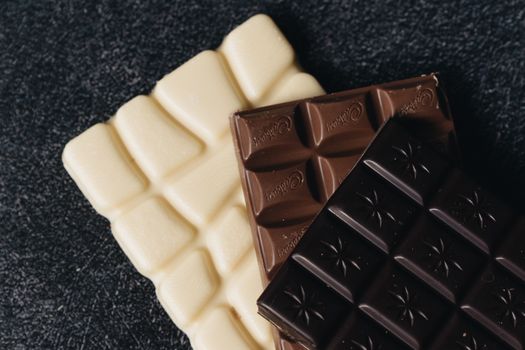 Photo: alleksana / Pexels
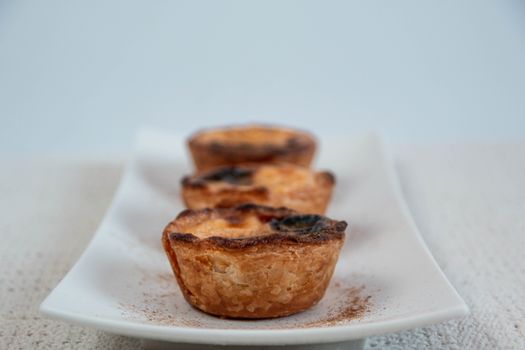 Photo: Regina Ferraz / Pexels
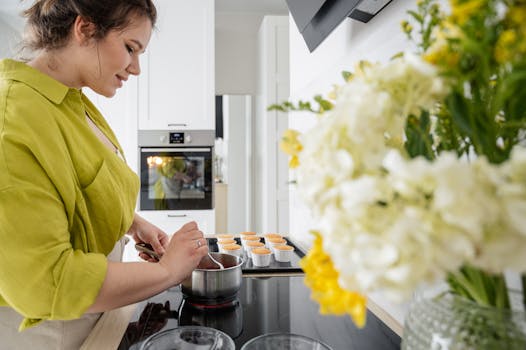 Photo: SHVETS production / Pexels