What is a California Roll Sushi? Your Ultimate Guide
July 30, 2026 15 min read 2,934 words
Uncover the secrets behind the world's most famous sushi roll, from its surprising origins to its delicious components.
Explore the Roll
Unraveling the Enigma: What Exactly is a California Roll Sushi?
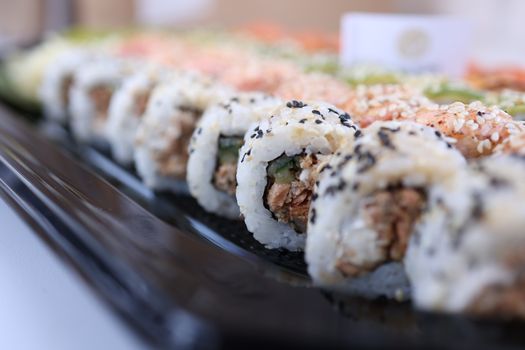 Photo: Valeria Boltneva / Pexels
The California roll sushi is more than just a dish; it's a cultural phenomenon, a culinary bridge, and for many, the very first step into the expansive world of Japanese cuisine. If you've ever wondered, "what is a California roll sushi?" you're not alone. Its name alone suggests a unique blend of East meets West, and indeed, its origins are deeply rooted in the fusion of traditional Japanese sushi techniques with American palates and ingredients.
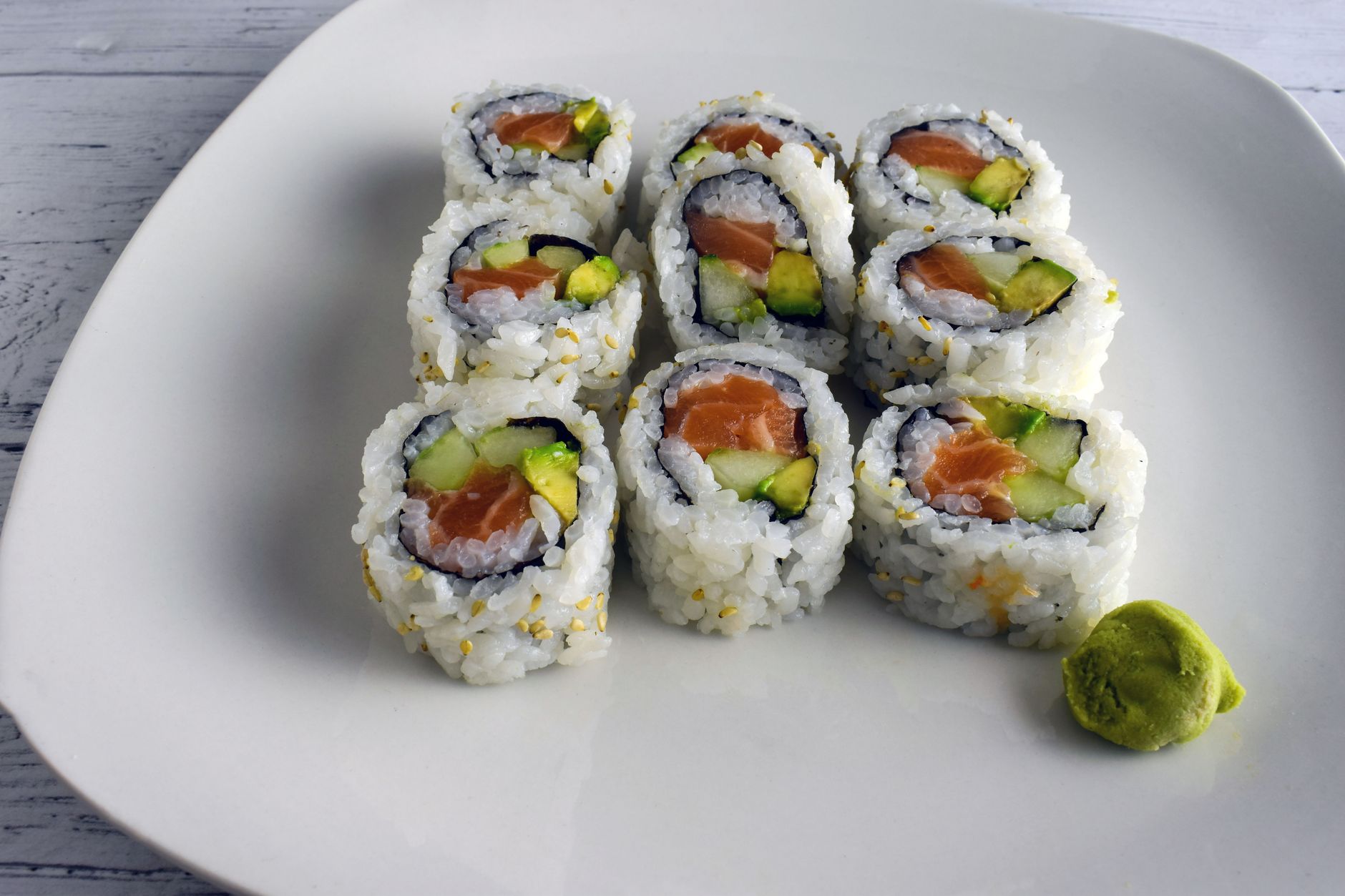
At its core, a California roll is a type of *uramaki*, or 'inside-out' sushi roll. This means that unlike traditional Japanese maki rolls where the nori (seaweed) wraps the ingredients on the outside, the California roll features its seasoned sushi rice on the exterior, with the nori forming an inner layer around the fillings. This seemingly simple inversion was revolutionary, addressing a common apprehension among Western diners who were initially put off by the visible black seaweed. The rice-on-the-outside presentation made the roll appear more approachable and visually appealing to a new audience, effectively softening the introduction to sushi.
The classic components of a California roll are surprisingly humble yet perfectly balanced: imitation crab meat (surimi), creamy avocado, and crisp cucumber. The imitation crab offers a sweet, delicate flavor and flaky texture, while the avocado provides a rich, buttery counterpoint, and the cucumber adds a refreshing crunch. These ingredients were carefully chosen, not just for their taste, but also for their familiarity to American consumers, diverging from the raw fish that defined traditional sushi. This strategic choice was crucial in its widespread acceptance. Often, the exterior of the rice is adorned with roasted sesame seeds, adding a nutty flavor and textural contrast, or bright orange tobiko (flying fish roe), which provides a subtle pop and briny taste.
The genius of the California roll lies in its accessibility. It's cooked, making it a non-intimidating option for those hesitant about raw fish. Its flavors are mild and universally appealing, avoiding anything too exotic or challenging. This combination of innovative presentation and familiar ingredients transformed sushi from an esoteric delicacy into a mainstream dining experience. It paved the way for countless other fusion rolls and helped demystify sushi for millions, becoming the gateway drug to a deeper appreciation of Japanese culinary artistry. Understanding what defines a California roll is to understand a pivotal moment in global food history, a dish that democratized sushi and made it a beloved staple across continents. It's a testament to how culinary innovation, driven by cultural adaptation, can create something truly iconic. For more insights into how different regions interpret
popular food dishes, explore our regional food guides.
The Surprising History and Evolution of the California Roll
 Photo: Matheus Bertelli / Pexels
The story of the California roll is as fascinating as its flavor profile, shrouded in a bit of culinary legend and debate. While its exact origin is contested, two primary figures are often credited with its creation, both operating in Los Angeles, California, during the 1960s and 70s. This period was a crucible for culinary innovation, with chefs experimenting to adapt traditional dishes to local tastes and ingredient availability.
One popular theory attributes the invention to Noritoshi Kanai, owner of the Tokyo Kaikan restaurant in Little Tokyo, Los Angeles, and his chef, Ichiro Mashita. The story goes that in the late 1960s, Mashita began substituting avocado for *toro* (fatty tuna), which was difficult to source consistently fresh outside of Japan. He noticed that the creamy texture and rich flavor of avocado bore a resemblance to *toro*, making it an excellent stand-in. To further appeal to American diners who were wary of raw fish and the visible seaweed, he started making the rolls inside-out, hiding the nori and placing the rice on the exterior. This innovation, according to this account, led to the birth of the California roll as we know it.
Another prominent claim comes from Chef Hidekazu Tojo in Vancouver, British Columbia, Canada. Tojo asserts that he created the 'Tojo Maki' – an inside-out roll with crab, avocado, and mayonnaise – in the early 1970s. He also recognized that Western diners were reluctant to eat raw fish and seaweed, prompting him to invert the roll and use cooked ingredients. While Tojo's contribution is undeniable and highly influential, the widespread adoption of the 'California roll' name and its specific ingredient profile (avocado, cucumber, imitation crab) points more strongly to the Los Angeles origins as the popularizer of the exact dish we discuss today.
Regardless of the precise inventor, the impact of this 'inside-out' innovation was profound. It solved a critical marketing challenge for sushi in the West. By making the seaweed less prominent and using familiar, cooked ingredients, it broke down significant barriers for diners. The California roll quickly gained immense popularity, not just in California but across North America and eventually, globally. It became the entry point for countless individuals into the world of sushi, demystifying it and proving that sushi could be diverse, approachable, and delicious without necessarily featuring raw fish. Its success spurred a wave of fusion sushi creations, inspiring chefs to experiment with non-traditional ingredients and presentations, forever changing the landscape of sushi outside of Japan. The California roll is a testament to culinary adaptability and the power of innovation in catering to evolving tastes, marking a pivotal moment in the globalization of Japanese food culture.
Deconstructing the Delicious: Key Ingredients and Their Role
 Photo: DΛVΞ GΛRCIΛ / Pexels
Understanding the components of a California roll is key to appreciating its enduring appeal and balanced flavor profile. Each ingredient plays a crucial role, contributing to the texture, taste, and visual appeal that defines this iconic sushi roll. While variations exist, the classic California roll relies on a core trio of fillings, enveloped by perfectly seasoned rice and a subtle layer of nori.
**Sushi Rice (Shari):** This is the foundation of any sushi roll, and for the California roll, it's particularly prominent as it forms the exterior. Sushi rice is a short-grain Japanese rice that, after cooking, is seasoned with a mixture of rice vinegar, sugar, and salt. This seasoning, known as *sushi-zu*, gives the rice its characteristic slightly sweet, tangy flavor and a glossy sheen. The stickiness of the rice is essential for holding the roll together, especially in an *uramaki* style where it’s on the outside. The quality and preparation of the sushi rice are paramount; it must be cooked to perfection, cooled properly, and seasoned just right to provide the ideal base for the fillings. It's the first thing your palate encounters, setting the stage for the rest of the flavors.
**Imitation Crab Meat (Surimi):** Perhaps the most distinctive ingredient of the California roll, imitation crab is a processed seafood product made from *surimi*, a paste derived from white-fleshed fish, often pollock. It's flavored, shaped, and colored to mimic the appearance and texture of real crab meat. For those new to sushi or hesitant about raw seafood, imitation crab offers a mild, sweet, and slightly briny flavor with a flaky, tender texture. Its cooked nature and familiar taste were instrumental in the roll's initial success, providing a safe and appealing option for Western diners. While some high-end versions might use real crab, the classic California roll is synonymous with surimi.
**Avocado:** The creamy, buttery richness of avocado is a defining characteristic of the California roll. When perfectly ripe, avocado adds a smooth texture that contrasts beautifully with the other ingredients. Its mild, slightly nutty flavor complements the imitation crab without overpowering it. Historically, avocado was used as a substitute for *toro* (fatty tuna), offering a similar mouthfeel. Beyond taste and texture, avocado also provides a vibrant green color, adding to the visual appeal of the roll.
**Cucumber:** Providing a refreshing crunch and a clean, crisp flavor, cucumber is the perfect counterpoint to the richness of the avocado and the softness of the crab. Typically cut into thin sticks, it adds an essential textural dimension and a subtle, palate-cleansing quality that prevents the roll from feeling too heavy. Its freshness brightens the overall taste experience.
**Nori (Seaweed):** While hidden on the inside, nori plays a crucial structural role, holding the fillings together and providing a subtle, earthy umami note. It’s a dried, edible seaweed pressed into thin sheets, and its slight chewiness adds another layer of texture. Even though it's not visible from the outside, its presence is fundamental to the roll's integrity and taste.
**Optional Garnishes:** Often, California rolls are finished with a sprinkle of roasted sesame seeds (white or black) on the exterior. These add a pleasant nutty flavor and a slight crunch. Alternatively, tobiko (flying fish roe) can be used, offering a vibrant orange color and tiny, satisfying pops of mild briny flavor. These garnishes enhance both the visual appeal and the textural complexity of the roll. Understanding these individual components helps in appreciating the thoughtful construction of what is a California roll sushi, a dish designed for harmonious flavor and universal appeal. Explore other
classic sushi rolls to see how these ingredients are adapted.
Crafting Your Own: Tips for Making the Perfect California Roll at Home
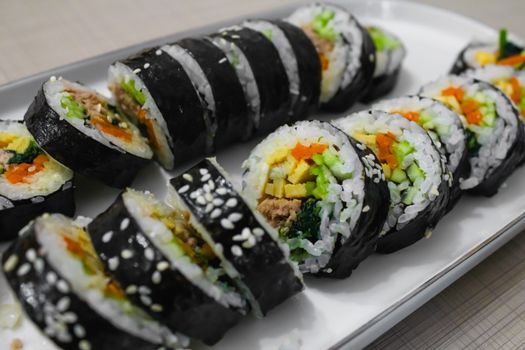 Photo: Tuğba / Pexels
Making a California roll at home can be a rewarding experience, allowing you to customize ingredients and perfect your technique. While it might seem daunting at first, especially with the 'inside-out' aspect, with a few tips and a little practice, you'll be rolling like a pro. Here’s how to ensure your homemade California rolls are delicious and structurally sound:
**1. Master the Sushi Rice:** This is the most critical component. Use high-quality short-grain Japanese sushi rice. Wash it thoroughly until the water runs clear, then cook it according to package directions, typically in a rice cooker. Once cooked, transfer it to a large, non-metallic bowl and gently fold in your sushi-zu (rice vinegar, sugar, salt mixture) while fanning the rice to cool it quickly. Avoid mashing the grains. The rice should be sticky but individual grains should still be discernible. Let it cool to room temperature before using.
**2. Prepare Your Fillings Properly:** Consistency in cutting is key for even rolls. Slice your imitation crab into uniform sticks or shred it. Cut your avocado into thin, even strips – aim for pieces that are about 1/4 inch thick and the length of your nori sheet. Do the same for your cucumber, ensuring they are seedless and firm. Having all your ingredients prepped and within easy reach will make the rolling process much smoother.
**3. The Inside-Out Technique (Uramaki):** This is where many beginners get nervous, but it's simpler than it looks. Lay a sheet of nori on your bamboo rolling mat (makisu), which you can cover with plastic wrap to prevent rice from sticking. Wet your hands slightly to prevent rice from adhering to them. Take a handful of seasoned sushi rice and spread it evenly over the entire surface of the nori, pressing gently to create a thin, consistent layer. Now, the magic step: carefully flip the nori sheet over so the rice side is now facing down on the plastic-wrapped mat. The nori should be facing up, ready for your fillings.
**4. Don't Overfill:** This is a common mistake that leads to rolls that burst or are difficult to manage. Lay a modest amount of your prepared imitation crab, avocado, and cucumber strips across the center of the nori, leaving about an inch clear at the bottom edge. Remember, the ingredients will expand when rolled.
**5. Rolling with Precision:** Using the bamboo mat, lift the edge closest to you, bringing it up and over the fillings. Press down firmly but gently to create a tight cylinder. Continue rolling, pulling back the mat as you go, until the roll is complete. Apply even pressure throughout to ensure a compact and uniform roll. If adding sesame seeds or tobiko, sprinkle them on the rice before slicing.
**6. Sharp Knife for Slicing:** A dull knife will squash your beautifully rolled sushi. Use a very sharp, slightly moistened knife to cut the roll into 6-8 pieces. Clean the blade between each cut to prevent sticking. This ensures clean, attractive slices. Enjoy your freshly made California rolls! Remember, practice makes perfect, so don't be discouraged if your first few rolls aren't restaurant-perfect; they'll still taste amazing.