Ultimate Canadian Food Brands List: Taste of Canada
canadian food brands list

Ultimate Canadian Food Brands List: Taste of Canada

Dive into Canada's rich culinary landscape, from classic staples to innovative new flavours, celebrating local excellence.

Discover Canadian Flavours

Key Takeaways

  • ✓ Canada's food industry contributes over $140 billion to its GDP annually.
  • ✓ Many Canadian food brands have global recognition and distribution.
  • ✓ Regional specialties heavily influence the diversity of Canadian food brands.
  • ✓ Sustainability and local sourcing are growing priorities for Canadian food producers.

How It Works

1
Explore Categories

Navigate through diverse food categories, from dairy and baked goods to snacks and beverages. We've organized brands to help you find exactly what you're looking for.

2
Discover Brands

Uncover established giants and emerging artisans, learning about their history, products, and commitment to quality. Each brand profile offers insights into their unique offerings.

3
Plan Your Shopping

Use our comprehensive list to inform your grocery choices and support Canadian businesses. Identify brands available in your local stores or those offering online delivery.

4
Savour the Flavours

Enjoy the rich, diverse, and often unique tastes that Canadian food brands bring to your table. Experience the quality and innovation that defines Canada's food scene.

The Iconic Staples: A Glimpse into Canada's Culinary Heritage
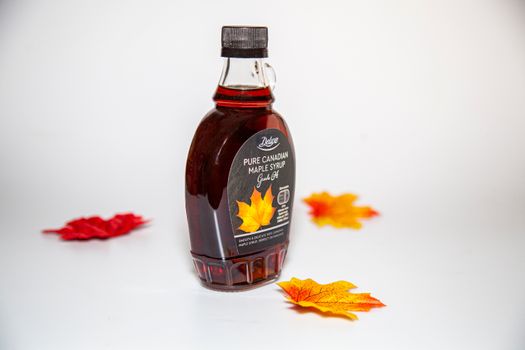
Close-up of a Canadian maple syrup bottle with colorful autumn leaves on white background. Photo: Kay Hunjan / Pexels
When we talk about a Canadian food brands list, it's impossible not to begin with the bedrock of our national pantry – those iconic staples that have defined generations of Canadian meals and memories. These aren't just food items; they are cultural touchstones, often found in every household from St. John's to Victoria. Think about the unmistakable taste of maple syrup, not just any syrup, but the rich, amber liquid that flows from our vast maple forests, a product synonymous with Canada itself. Brands like L.B. Maple Treat or Citadelle Maple Syrup Producers Co-operative represent the pinnacle of this industry, offering pure, unadulterated sweetness that’s perfect for pancakes, baking, or even as a unique glaze for meats. Their commitment to traditional harvesting methods combined with modern quality control ensures that each bottle delivers an authentic taste of Canada. Beyond the sweet, consider the savoury. Canadian dairy products, for instance, are renowned for their quality and freshness. Brands like Saputo, Agropur (behind names like Québon and Natrel), and Parmalat Canada provide a vast array of cheeses, milks, and yogurts that form the backbone of Canadian kitchens. Saputo, in particular, is a global powerhouse originating from Quebec, offering everything from mozzarella to cheddar, making it a staple for pizzas, sandwiches, and family dinners across the country. Their dedication to local milk producers and stringent quality standards has cemented their place as a leader in the Canadian food landscape. Then there are the baked goods and snacks that have become part of our collective consciousness. Dare Foods, with its iconic cookies and crackers, has been a Canadian favourite for over a century. From the simple yet satisfying Breton crackers to the indulgent Whippet cookies, Dare products evoke a sense of nostalgia and comfort. Similarly, McCain Foods, while a global giant, has its roots firmly planted in Florenceville, New Brunswick, and is synonymous with frozen potato products. Their fries, hash browns, and potato wedges are a ubiquitous sight in Canadian freezers, providing quick and easy meal solutions for busy families. These brands, among others, aren't just selling food; they're selling a piece of Canadian identity, a taste of home that resonates deeply with consumers nationwide.

From Coast to Coast: Regional Delicacies and Specialty Brands

A gourmet seafood dish featuring grilled shrimp, creamy sauce, and fried noodles served on a white plate. Photo: Stephen Leonardi / Pexels
Canada's vast geography translates directly into a rich tapestry of regional food specialties and the brands that champion them. Venturing beyond the national mainstays, a Canadian food brands list truly shines when it highlights these localized treasures. On the East Coast, the bounty of the Atlantic Ocean gives rise to exceptional seafood brands. Clearwater Seafoods, headquartered in Nova Scotia, is a prime example, known globally for its wild-caught, premium scallops, lobster, crab, and more. Their commitment to sustainable fishing practices ensures that these oceanic delights can be enjoyed for generations, bringing the fresh taste of the Atlantic to tables worldwide. Similarly, in Newfoundland and Labrador, brands like Purity Factories have been producing traditional hardtack biscuits and sweet treats for over a century, offering a taste of the island's unique culinary history. Moving westward, Quebec’s distinct culinary heritage offers a plethora of unique brands. Beyond maple syrup and dairy, consider the artisanal cheese scene. Brands like Fromagerie du Presbytère or Le Mamirolle produce award-winning cheeses that rival European counterparts, showcasing the province's expertise in cheesemaking. And for those with a sweet tooth, Laura Secord chocolates, though now widely available, began as a Canadian institution, offering a range of confections that have been a part of Canadian celebrations for decades. The prairie provinces, with their vast agricultural lands, are powerhouses for grains and meat. Brands like Richardson Milling (part of Richardson International) play a crucial role in providing high-quality oats and other grains that form the basis of many breakfast cereals and baked goods across the country. Alberta and Saskatchewan are also home to numerous high-quality beef producers, with smaller, regional brands emphasizing sustainable ranching and premium cuts. British Columbia, with its diverse climate and access to the Pacific, offers a different array of specialty foods. From the Okanagan Valley’s burgeoning wine and fruit scene to Vancouver Island’s craft chocolate and coffee roasters, the province is a hub for artisanal producers. Brands like Summerland Sweets in the Okanagan transform local fruits into delicious jams, jellies, and fruit leathers, capturing the essence of the region. And let's not forget the vibrant craft brewing and distilling scene across the country, with countless local breweries and distilleries creating unique beverages that reflect their regional ingredients and inspirations. These regional brands not only offer distinctive flavours but also tell stories of their local communities, traditions, and the innovative spirit of Canadian food producers, enriching the overall Canadian food brands list.

Innovation and Sustainability: The Future of Canadian Food Brands

Close-up shot of leafy greens in an outdoor hydroponic garden under sunlight. Photo: Chanon Taweewuttlkral / Pexels
The Canadian food brands list isn't just about heritage; it's also a vibrant tableau of innovation and a growing commitment to sustainability. As global food trends shift towards healthier, ethically produced, and environmentally conscious options, Canadian brands are stepping up to the challenge, often leading the way in their respective categories. Consider the plant-based revolution: Canada is home to pioneers in this space. Brands like Daiya Foods, originally from British Columbia, have become international leaders in plant-based dairy alternatives, offering everything from cheese shreds to yogurts that cater to a rapidly expanding market of vegans and those seeking dairy-free options. Their focus on taste and texture has allowed them to achieve widespread acceptance, demonstrating Canada's ability to innovate within the food sector. Similarly, Upfield, with its Violife brand (though a global company, has significant Canadian presence and production), is making strides in plant-based spreads and cheeses, emphasizing sustainable sourcing and production methods. Beyond plant-based, there's a strong push towards sustainable agriculture and ethical sourcing among Canadian food brands. Many smaller, artisanal producers are building their entire business model around these principles, offering consumers transparency and traceability. Brands focusing on organic produce, pasture-raised meats, or fair-trade ingredients are becoming increasingly common, reflecting a consumer base that is more informed and values these attributes. For instance, companies like Nature's Path Organic Foods, based in Richmond, B.C., have been champions of organic breakfast cereals and granola for decades, long before it became mainstream. Their commitment to ecological farming and sustainable practices has not only built a successful brand but also helped shape the broader organic food movement. Their dedication extends to regenerative agriculture, aiming to improve soil health and biodiversity. Furthermore, Canadian food science and technology are contributing to innovative solutions. Companies are exploring novel ingredients, food waste reduction technologies, and advanced packaging solutions to minimize environmental impact. The burgeoning insect protein industry, for example, sees Canadian companies like Entomo Farms leading the way in sustainable protein sources. These brands are not just creating new products; they are actively working to reshape the food system, making it more resilient, efficient, and kind to the planet. This forward-thinking approach ensures that the Canadian food brands list remains dynamic and relevant, offering consumers choices that align with their values and contribute to a healthier future.

Navigating the Aisles: Tips for Discovering and Supporting Canadian Brands

A man wearing a mask shops in a supermarket, selecting items from a refrigerated section. Photo: Helena Lopes / Pexels
With such a rich and diverse Canadian food brands list, how can you best navigate the supermarket aisles and actively support local businesses? The key lies in being an informed and intentional consumer. Firstly, always look for the 'Product of Canada' label or the distinctive Canadian flag symbol on packaging. Many brands proudly display their Canadian origin, making it easy to identify. However, be aware that some products may be owned by foreign corporations but still produced in Canada, contributing to the local economy. Conversely, some Canadian-owned brands might source ingredients internationally. If supporting Canadian ownership is your priority, a quick online search for the brand's parent company can provide clarity. Secondly, explore beyond the major supermarket chains. Farmers' markets, specialty food stores, and local co-ops are treasure troves for discovering smaller, artisanal Canadian brands that might not have the distribution reach of larger companies. These venues often highlight regional specialties and allow you to interact directly with producers, learning about their methods and passion. Many provinces also have 'buy local' initiatives and online directories that list local food producers. For example, 'Taste of Nova Scotia' or 'Ontario Made' programs actively promote products made within their respective provinces, offering an excellent starting point for your exploration. Thirdly, don't be afraid to try new things! Canada's food scene is constantly evolving, with new brands emerging all the time, particularly in areas like craft beverages, gourmet snacks, and ethnic fusion foods. Reading food blogs, culinary magazines, and engaging with food communities online can introduce you to exciting new Canadian products and brands. Here are some actionable tips:
  • Check labels carefully: Look for 'Product of Canada' or Canadian flag symbols.
  • Shop locally: Visit farmers' markets, specialty stores, and co-ops.
  • Utilize provincial 'buy local' programs: Websites and apps often list local producers.
  • Follow food media: Stay updated on new Canadian food brand releases and trends.
  • Look for certifications: Organic, fair trade, or B Corp certifications often indicate ethical Canadian brands.
  • Engage with brands online: Many smaller brands have robust social media presences where you share feedback or learn more.
Supporting Canadian food brands not only means enjoying high-quality, often innovative products but also contributing directly to the Canadian economy, supporting local farmers and workers, and fostering a vibrant domestic food industry.

Comparison

FeatureIconic National BrandsEmerging Artisanal BrandsRegional Specialty Brands
AvailabilityWidespread, national chainsLimited, specialty stores/onlineRegional supermarkets, local markets
Product RangeBroad, diverse categoriesNiche, specialized productsSpecific to regional ingredients
Innovation FocusEfficiency, scaling, new formatsUnique flavours, sustainable practicesTraditional methods, local ingredients
Price PointGenerally competitiveOften premiumVaries, can be premium for quality
Impact on EconomySignificant job creation, large scaleSupports local communities, small businessesPreserves local heritage, tourism link
Sustainability EffortsGrowing, often corporate-drivenCore to business modelOften tied to local ecosystem health

What Readers Say

"This canadian food brands list is incredibly comprehensive! I loved discovering how many of my pantry staples are proudly Canadian, and I've already found a few new artisanal cheeses to try from Quebec. It's a fantastic resource for conscious shopping."

Sarah L. · Toronto, ON

"As someone who loves supporting local, this guide was a goldmine. The breakdown of regional specialties really opened my eyes to the diversity of Canadian food brands. I'm now making an effort to buy more B.C. crafted goods thanks to this list."

Marc P. · Vancouver, BC

"I used to think 'Canadian food' was just poutine and maple syrup. This list completely changed my perspective, showcasing the incredible innovation and quality across all sectors. My grocery bill now features many more Canadian-made items, and I feel good about it."

Emily R. · Calgary, AB

"A very thorough list, though I would have liked to see a bit more emphasis on smaller, hyper-local Atlantic Canadian brands. Still, it's an excellent starting point for anyone looking to delve deeper into Canadian food brands and their stories. Very well-researched."

David K. · Halifax, NS

"This article is a must-read for anyone living in or visiting Canada. It's so well-written and engaging. I especially appreciated the section on sustainability; it's inspiring to see so many Canadian food brands making a positive impact."

Jessica M. · Montreal, QC

Frequently Asked Questions

What are some of the most famous Canadian food brands?

Some of the most famous Canadian food brands include McCain Foods (frozen potatoes), Saputo (dairy), L.B. Maple Treat (maple syrup), Tim Hortons (coffee and baked goods), and Dare Foods (cookies and crackers). These brands have become household names across Canada and often have international recognition.

Are Canadian food brands generally high quality?

Yes, Canadian food brands are generally known for their high quality, often due to stringent food safety regulations, access to premium raw ingredients, and a strong emphasis on innovation and sustainability. Many brands prioritize freshness and ethical production practices, contributing to their excellent reputation.

How can I easily identify Canadian food brands when shopping?

To easily identify Canadian food brands, look for the 'Product of Canada' label, the Canadian flag symbol, or phrases like 'Made in Canada' on packaging. Many grocery stores also have dedicated 'buy local' sections or promotional materials highlighting Canadian products, making identification simpler.

Are Canadian food brands more expensive than imported options?

The pricing of Canadian food brands can vary. While some artisanal or specialty Canadian products might be premium-priced due to unique ingredients or production methods, many mainstream Canadian brands are competitively priced with imported alternatives. Supporting Canadian often provides better value in terms of economic impact and quality assurance.

How do Canadian food brands contribute to the economy?

Canadian food brands significantly contribute to the economy by creating jobs across the supply chain, from farming and processing to distribution and retail. They support local farmers, foster innovation, and generate export revenue, playing a vital role in Canada's economic stability and growth.

Who should explore a Canadian food brands list?

Anyone interested in supporting local businesses, discovering high-quality and innovative food products, or experiencing the diverse culinary landscape of Canada should explore a Canadian food brands list. It's beneficial for consumers, food enthusiasts, and those looking to make informed purchasing decisions.

Are Canadian food brands safe and regulated?

Yes, Canadian food brands operate under strict food safety regulations enforced by the Canadian Food Inspection Agency (CFIA) and Health Canada. These bodies ensure that all food products produced and sold in Canada meet rigorous health, safety, and quality standards, making Canadian food among the safest globally.

What future trends are impacting Canadian food brands?

Future trends impacting Canadian food brands include a growing demand for plant-based alternatives, increased focus on sustainable and ethical sourcing, the rise of personalized nutrition, and the adoption of food technology for efficiency and waste reduction. Innovation in these areas is shaping the next generation of Canadian food products.

Embark on a culinary journey through Canada by exploring our comprehensive Canadian food brands list. Support local, discover new favourites, and savour the rich tapestry of flavours that define Canadian cuisine today.

Topics: canadian food brands listbest canadian foodiconic canadian brandsbuy canadian foodcanadian groceries
Leo List
Brampton weed
Adultwork