Demystifying Maple Syrup Grades Canada: Your Sweet Guide

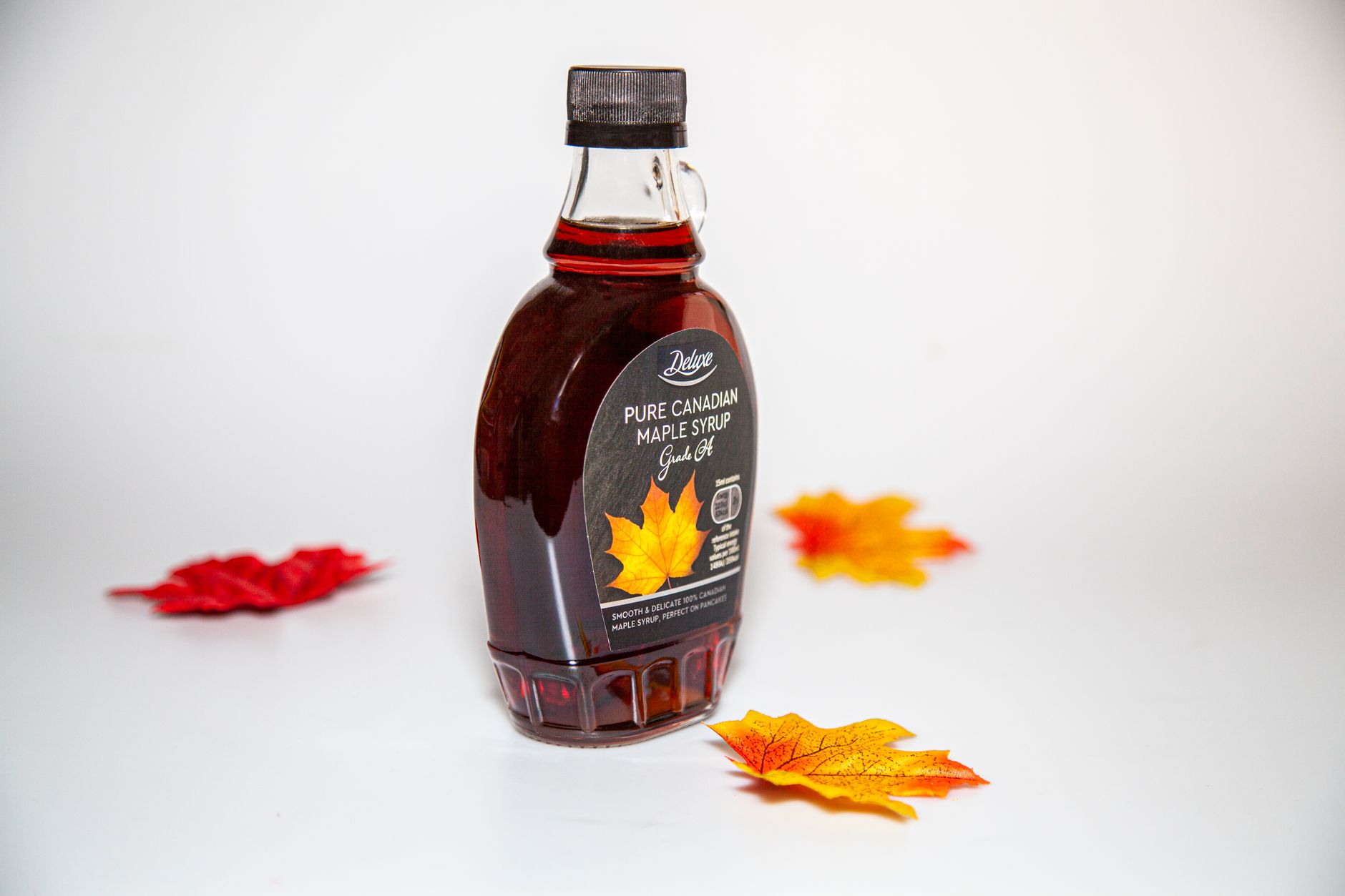
Close-up of a Canadian maple syrup bottle with colorful autumn leaves on white background.Photo: Kay Hunjan / Pexels

Demystifying Maple Syrup Grades Canada: Your Sweet Guide

Discover the nuances of Canadian maple syrup grades, empowering you to select the ideal amber elixir for any dish or occasion.

Find Your Perfect Syrup

Key Takeaways

  • ✓ Canada is the world's largest producer of maple syrup, with Quebec leading the way.
  • ✓ The grading system for maple syrup in Canada changed in 2014 to align with international standards.
  • ✓ Grades are primarily determined by colour and directly correlate with flavour intensity.
  • ✓ Darker syrups typically have a stronger, more robust maple flavour.
  • ✓ Pure maple syrup contains no additives, artificial colours, or preservatives.

How It Works

1
Sap Collection

Maple trees are tapped in early spring, and their sap is collected. This clear, slightly sweet liquid is the raw material for maple syrup.

2
Boiling & Evaporation

The collected sap is boiled in large evaporators, concentrating the sugars. This process removes water and caramelizes some of the natural sugars, developing flavour and colour.

3
Filtering & Grading

Once the desired density is reached, the syrup is filtered to remove 'sugar sand' (minerals). It is then graded based on its colour and flavour profile before packaging.

4
Packaging & Enjoyment

The graded maple syrup is hot-packed into containers to ensure sterility and freshness. It's then ready to be enjoyed in countless culinary applications, from pancakes to gourmet dishes.

Understanding the Canadian Maple Syrup Grading System
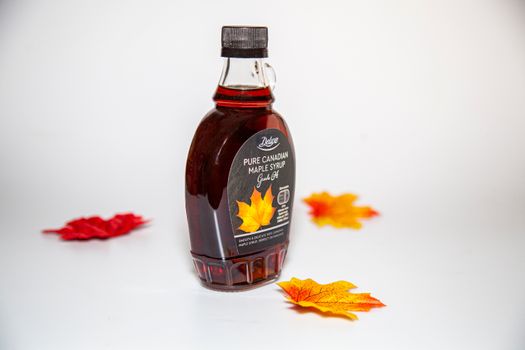
Close-up of a Canadian maple syrup bottle with colorful autumn leaves on white background.Photo: Kay Hunjan / Pexels
For centuries, maple syrup has been a cherished natural sweetener and a proud symbol of Canadian heritage. But have you ever stood in the syrup aisle, confronted by labels like 'Amber, Rich Taste' or 'Dark, Robust Taste,' and wondered what it all means? You're not alone. The Canadian maple syrup grading system, while straightforward once understood, can seem a little perplexing at first glance. Prior to 2014, Canada had its own unique grading system, which included terms like 'Canada No. 1 Extra Light,' 'Canada No. 1 Light,' 'Canada No. 1 Medium,' 'Canada No. 2 Amber,' and 'Canada No. 3 Dark.' This system, while functional, differed from that used in the United States, leading to some confusion for international consumers and exporters. To standardize the industry and facilitate global trade, a new, unified system was implemented across North America, aligning Canadian standards with those of the U.S. and other international markets. The current Canadian grading system, which came into full effect in 2014, simplifies the classification into four main categories based primarily on colour and, by extension, flavour intensity. All pure maple syrup, regardless of its grade, must meet strict quality standards to be labelled as 'Canada Grade A.' This 'Grade A' designation signifies that the syrup is pure, free from off-flavours, and meets specific density requirements. The variations within Grade A then relate to its visual appearance and taste characteristics. This shift was a significant step towards ensuring consistency and clarity for consumers worldwide, making it easier to compare and choose maple syrup products. It also emphasized the inherent quality of all pure maple syrup produced in Canada, regardless of its particular grade. The essence of the new system is to provide descriptive terms that give consumers a better idea of what to expect from each grade, moving beyond mere colour descriptors to include taste profiles. This approach empowers consumers to make informed choices, whether they're drizzling it on pancakes, using it in baking, or incorporating it into savoury dishes. Understanding these grades is key to unlocking the full culinary potential of this incredible natural product. It's not about one grade being 'better' than another, but rather about matching the syrup's characteristics to its intended use. Each grade offers a distinct sensory experience, contributing uniquely to a wide array of recipes. Discover the rich history of maple syrup production and appreciate the journey from sap to your table.

The Four Grades of Canadian Maple Syrup: Colour, Flavour, and Best Uses
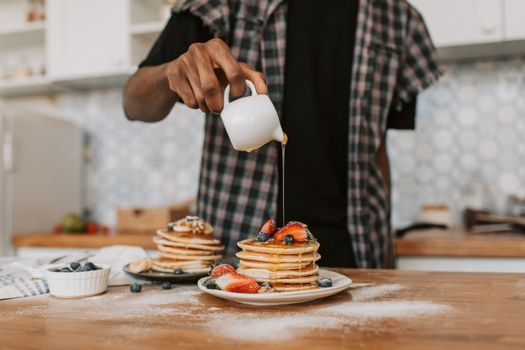
A person pouring maple syrup over a stack of pancakes topped with fresh berries.Photo: Vlada Karpovich / Pexels
Under the current Canadian system, all pure maple syrup is labelled as 'Canada Grade A,' followed by a descriptive term indicating its colour and flavour profile. This overarching 'Grade A' ensures a baseline of quality, meaning consumers can trust that any Canadian maple syrup they purchase is pure and free from defects. The distinctions then come down to the nuances of colour and taste, which are naturally determined by when in the sugaring season the sap is harvested and how long it's boiled. Earlier in the season, sap tends to produce lighter syrups, while later harvests yield darker, more robust flavours due to longer exposure to the natural sugars and minerals in the sap during the boiling process. Let's break down each of the four descriptive categories: 1. **Canada Grade A, Golden, Delicate Taste:** This is the lightest in colour, often described as having a golden or pale amber hue. It typically comes from sap collected early in the sugaring season. As its name suggests, it possesses a delicate, mild maple flavour, sometimes with subtle buttery or vanilla notes. Its light colour and subtle taste make it ideal for applications where you want a hint of maple sweetness without overpowering other ingredients. It's excellent drizzled over fresh fruit, yogurt, or ice cream, and perfect for light dressings or glazes where a gentle sweetness is desired. It's often favoured as a table syrup for those who prefer a less intense maple experience. 2. **Canada Grade A, Amber, Rich Taste:** This grade is perhaps the most popular and versatile, striking a perfect balance between colour and flavour. It has a beautiful amber colour and a rich, full-bodied maple flavour that is characteristic of classic maple syrup. This is the quintessential 'pancake syrup' that many people visualize when they think of maple syrup. It's incredibly versatile, working wonderfully as a table syrup, in baking, cooking, and even in cocktails. Its balanced flavour profile makes it a go-to for most culinary applications, offering a distinct maple presence without being overly dominant. If you're unsure which grade to choose, 'Amber, Rich Taste' is an excellent starting point. 3. **Canada Grade A, Dark, Robust Taste:** As the name implies, this syrup is darker in colour, with a more intense and pronounced maple flavour. It's produced later in the sugaring season when the sap has a higher mineral content, contributing to its deeper colour and more robust taste profile. This grade offers a strong, almost caramel-like maple flavour that stands up well to other ingredients. It's highly recommended for baking, especially in recipes like gingerbread, pecan pie, or maple-glazed meats, where its distinct flavour can shine without being lost. It's also fantastic in marinades, sauces, and barbecue rubs, adding a complex sweetness and depth. For those who love a powerful maple punch, this is the grade to reach for. 4. **Canada Grade A, Very Dark, Strong Taste:** This is the darkest and most intensely flavoured of all the grades, often approaching a very deep brown or almost black colour. It's typically harvested at the very end of the sugaring season. Historically, this grade was often used for commercial purposes or in processed foods, but its unique, potent flavour has gained popularity among culinary enthusiasts. It has a very strong, sometimes slightly smoky or molasses-like maple flavour that can be quite assertive. While it can be a bit much as a table syrup for some, it is exceptional for industrial uses, in highly flavoured baked goods, or in savoury dishes where you want the maple flavour to be a dominant note. Think hearty stews, robust glazes for root vegetables, or as a flavour enhancer in strong marinades. It's a powerhouse of maple flavour, best used when you want maple to be the star.

Beyond the Grades: Factors Influencing Maple Syrup Quality and Taste
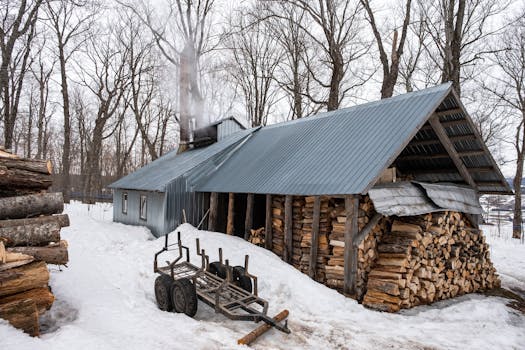
A classic rural sugar shack surrounded by snow in a Quebecois forest setting.Photo: Felix-Antoine Coutu / Pexels
While the Canadian maple syrup grades provide an excellent framework for understanding colour and flavour intensity, several other factors contribute to the overall quality and nuanced taste of this natural sweetener. These elements, often overlooked, play a significant role in the subtle differences you might detect between two syrups of the same grade, or even from different producers. Understanding these factors can elevate your appreciation for maple syrup and help you become a more discerning consumer. It's a complex interplay of nature and craftsmanship that makes each bottle truly unique. One of the primary influences is the **terroir** – a term often associated with wine, but equally applicable to maple syrup. Just like grapes, maple trees draw nutrients from the soil, and the specific mineral composition of the soil in a given region can subtly impact the sap's flavour. Climate variations, such as the amount of snow cover, temperature fluctuations during the sugaring season, and even the age of the maple stand, can affect the sap''s sugar content and the resulting syrup's characteristics. A particularly cold winter followed by ideal freeze-thaw cycles in spring can lead to a more abundant and higher-quality sap flow, influencing the syrup's final taste and clarity. Different regions within Canada, while adhering to the same grading standards, might produce syrups with slightly different underlying flavour notes due to these geological and environmental distinctions. For instance, syrup from Quebec might have subtle differences compared to syrup from Ontario or New Brunswick, reflecting their unique ecosystems. **Production methods** also play a crucial role. While the basic process of boiling sap remains consistent, variations in equipment and technique can introduce subtle differences. For example, some producers use traditional wood-fired evaporators, which can impart a very slight smokiness to the syrup, particularly in darker grades. Others use highly efficient reverse osmosis systems to remove a portion of the water before boiling, which can lead to a lighter, cleaner flavour profile. The speed and intensity of the boiling process, the type of filtering used, and even the storage conditions before bottling can all have an impact. Artisanal producers often pride themselves on specific techniques passed down through generations, aiming to achieve particular flavour nuances. The care taken during filtering to remove 'sugar sand' (niter) is also critical; inadequate filtering can leave a cloudy appearance and gritty texture, even if the flavour is otherwise good. Finally, the **packaging and storage** of maple syrup can affect its taste over time. Pure maple syrup, once opened, should be refrigerated to prevent spoilage. Exposure to light and air can lead to a gradual degradation of flavour. High-quality packaging, such as glass bottles or opaque containers, helps preserve the syrup's integrity. While maple syrup has a long shelf life, particularly when unopened, its flavour can subtly evolve. Understanding these additional factors enhances the appreciation for the craftsmanship involved in producing this natural sweetener and allows consumers to make more informed choices, perhaps even seeking out syrups from specific regions or producers known for particular characteristics. Learn about the health benefits of choosing pure maple syrup over refined sugars.

Choosing Your Perfect Maple Syrup: Tips and Common Mistakes

Selecting the right maple syrup for your needs can truly elevate your culinary creations. With the understanding of maple syrup grades Canada offers, you're already well on your way. However, a few additional tips and common pitfalls to avoid can ensure you always make the best choice and get the most out of your golden elixir. **Tips for Choosing:** * **Consider the Application:** This is paramount. For delicate dishes like fruit salads or light glazes, 'Golden, Delicate Taste' is ideal. For everyday use on pancakes or in most baking, 'Amber, Rich Taste' is your versatile friend. For bold flavours in marinades, BBQ sauces, or robust desserts, 'Dark, Robust Taste' or 'Very Dark, Strong Taste' will deliver the punch you need. * **Read the Label Carefully:** Always look for 'Pure Maple Syrup' and the 'Canada Grade A' designation. This guarantees you're getting an authentic, high-quality product, free from corn syrup or artificial additives. The descriptive flavour terms are your guide to the taste profile. * **Don't Be Afraid to Experiment:** Buy smaller bottles of different grades to taste them side-by-side. Your palate might surprise you, and you'll quickly learn which grades you prefer for specific uses. * **Check for Origin:** While all Canadian maple syrup adheres to strict standards, some prefer syrup from specific provinces like Quebec, Ontario, or New Brunswick, which can offer subtle regional flavour variations due to terroir. **Common Mistakes to Avoid:** * **Assuming Darker is Always Better:** Darker syrups have a stronger flavour, but 'better' is subjective and depends entirely on your intended use. A 'Very Dark, Strong Taste' might overpower delicate pastries, just as a 'Golden, Delicate Taste' might get lost in a hearty stew. * **Confusing 'Maple Flavoured Syrup' with Pure Maple Syrup:** This is a crucial distinction. 'Maple Flavoured Syrup' is often a corn syrup or sugar syrup base with artificial maple flavouring. It lacks the complex nutrients and natural taste of pure maple syrup. Always check for the word 'Pure'. * **Improper Storage:** Once opened, pure maple syrup should be refrigerated. Leaving it at room temperature can lead to mold growth. Unopened, it can be stored in a cool, dark pantry for a very long time. * **Overpaying for Fancy Packaging:** While attractive bottles are nice, the grade and purity are what truly matter. Often, you can find excellent quality pure maple syrup in more utilitarian containers at a better price per volume. * **Not Considering Bulk Options:** If you use a lot of maple syrup, buying larger containers (like a litre or even a gallon) can be more economical. Just be sure you have the fridge space for it once opened. You can also freeze maple syrup in smaller portions, as it does not fully solidify, extending its freshness indefinitely.

Comparison

FeatureGolden, Delicate TasteAmber, Rich TasteDark, Robust TasteVery Dark, Strong Taste
ColourLightest GoldMedium AmberDark AmberVery Dark Brown
Flavour IntensityMild, SubtleRich, BalancedStrong, PronouncedIntense, Potent
Best for Table Syrup
Best for Baking/Cooking
Best for Glazes/Dressings
Best for Marinades/Sauces
Harvest SeasonEarly SpringMid-SeasonLate SeasonEnd of Season

What Our Readers Say

5 ★★★★★

"The new maple syrup grades Canada system makes so much sense! I used to just buy 'dark,' but understanding the flavour profiles helped me pick the perfect 'Amber, Rich Taste' for my morning pancakes. It's exactly what I wanted."

5 ★★★★★

"This guide clarified everything about maple syrup grades. I now confidently choose 'Dark, Robust Taste' for my BBQ ribs and 'Golden, Delicate Taste' for my yogurt parfaits. My cooking has improved immensely!"

5 ★★★★★

"As a baker, knowing the specific flavour notes of each Canadian maple syrup grade is invaluable. My maple pecan pie tasted incredible using 'Dark, Robust Taste', achieving a depth I couldn't get before."

4 ★★★★☆

"I appreciate the clarity of the new grading system. While I still mostly stick to 'Amber, Rich Taste' for everything, this article gave me the confidence to try other grades for specific recipes. Very helpful."

5 ★★★★★

"I used to think all maple syrup was the same, but this breakdown of maple syrup grades Canada uses is a game-changer. My family loves the 'Golden, Delicate Taste' on their waffles, and I use 'Very Dark, Strong Taste' in my coffee. So many possibilities!"

Frequently Asked Questions

What are the main maple syrup grades in Canada?
In Canada, all pure maple syrup is labelled 'Canada Grade A,' followed by a descriptive taste and colour profile: 'Golden, Delicate Taste,' 'Amber, Rich Taste,' 'Dark, Robust Taste,' and 'Very Dark, Strong Taste.' These grades indicate increasing colour and flavour intensity, from mildest to strongest.
Is one Canadian maple syrup grade 'better' than another?
No, one grade is not inherently 'better' than another. They simply represent different flavour profiles and intensities. The 'best' grade depends entirely on your personal preference and the culinary application you have in mind. Each grade has its unique strengths and uses.
How do I choose the right maple syrup grade for baking?
For baking, 'Amber, Rich Taste' is a versatile choice for most recipes. If you want a more pronounced maple flavour to stand out against other ingredients, opt for 'Dark, Robust Taste' or even 'Very Dark, Strong Taste,' especially for hearty dishes or strong spices.
Why did Canada change its maple syrup grading system?
Canada changed its grading system in 2014 to standardize with international (specifically U.S.) regulations. This was done to simplify understanding for consumers, facilitate global trade, and provide more descriptive terms about flavour, rather than just colour, making it easier for everyone to choose.
What's the difference between 'pure maple syrup' and 'maple-flavoured syrup'?
Pure maple syrup is 100% natural, made solely from boiled maple tree sap, with no additives. Maple-flavoured syrup, however, is typically a blend of corn syrup or other sugars with artificial flavourings and no real maple content, offering a significantly different taste and nutritional profile.
Who should use 'Very Dark, Strong Taste' maple syrup?
'Very Dark, Strong Taste' maple syrup is ideal for those who crave an intense, potent maple flavour. It's excellent for robust savoury dishes like marinades, glazes for root vegetables, stews, or in baked goods where you want the maple flavour to be a dominant, almost smoky, note. It's often too strong for direct table use for many.
Can maple syrup go bad?
Unopened pure maple syrup has an indefinite shelf life if stored in a cool, dark place. Once opened, it should be refrigerated to prevent mold growth. If mold appears, the syrup should be discarded, as simply skimming it off may not remove all spores.
Are there regional differences in Canadian maple syrup taste?
Yes, while adhering to the same grading standards, subtle regional differences in maple syrup taste can exist due to 'terroir' – the unique combination of soil, climate, and tree varieties in a specific geographic area. Factors like mineral content in the soil and local weather patterns can impart nuanced flavour notes.

Armed with this comprehensive guide to maple syrup grades Canada uses, you're now ready to explore the delightful world of pure maple syrup with confidence. Experiment with different grades, discover your favourites, and elevate your culinary creations with this truly Canadian treasure. Choose your perfect pour today and savour the difference!

Topics: maple syrup grades canadacanadian maple syrup classificationpure maple syrup typesmaple syrup flavour profilesbuying maple syrup
Leo List
Brampton weed
Adultwork