How to Make Maple Syrup Candy: A Sweet Canadian Tradition
how to make maple syrup candy

How to Make Maple Syrup Candy: A Sweet Canadian Tradition

Unlock the secrets to crafting delicious, authentic maple syrup candy, a beloved Canadian delicacy, right in your kitchen.

Start Your Sweet Journey

Key Takeaways

  • ✓ Requires only one ingredient: 100% pure maple syrup.
  • ✓ Critical temperature control is essential for proper texture.
  • ✓ Can be made into various forms: hard candy, soft candy, or taffy.
  • ✓ Originates from Indigenous practices in North America.

How It Works

1
Boil Maple Syrup to Specific Temperature

Heat pure maple syrup steadily, stirring occasionally, until it reaches the desired temperature (typically 235-250°F or 113-121°C) for your candy type. Use a candy thermometer for accuracy.

2
Cool Syrup Without Stirring

Remove the pot from heat and allow the syrup to cool undisturbed. This cooling phase is crucial for crystal formation and achieving the right texture.

3
Stir and Work the Syrup

Once cooled to about 175°F (79°C), begin stirring vigorously. This action encourages crystallization, transforming the liquid syrup into a creamy, solid candy.

4
Mold or Form the Candy

Quickly pour or spoon the thickening maple mixture into molds, onto parchment paper, or onto snow for taffy, before it sets completely. Work swiftly as it hardens fast.

The Allure of Maple Syrup Candy: A Taste of Canadian Heritage
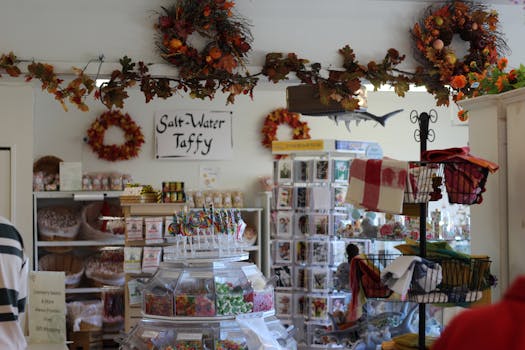
Explore a quaint candy store with festive autumn decorations and a variety of sweet treats. Photo: David J. Boozer / Pexels
Maple syrup candy is more than just a sweet treat; it's a culinary emblem of Canada, deeply rooted in the nation's history and natural landscape. For generations, Canadians and visitors alike have savoured its unique, rich flavour and satisfying texture. This delightful confection, made from nothing but pure maple syrup, embodies the essence of the sugar bush and the tradition of maple sugaring. Imagine the crisp, cool air of early spring, the steam rising from sugar shacks, and the incredible transformation of clear sap into golden syrup, then into this irresistible candy. The process itself is a testament to patience and precision, turning a simple ingredient into something truly magical. Whether enjoyed as a hard candy, a melt-in-your-mouth soft cream, or a chewy taffy pulled from fresh snow, maple syrup candy offers a direct connection to nature's bounty. Its distinct flavour profile – earthy, sweet, with caramel undertones – is unlike any other. It’s a flavour that evokes memories of childhood, family gatherings, and the vast, beautiful Canadian wilderness. Crafting maple syrup candy at home is not just about making a dessert; it's about participating in a cherished cultural practice, bringing a piece of Canadian heritage into your own kitchen. This comprehensive guide will walk you through every step, ensuring your homemade maple syrup candy is nothing short of perfection. We'll delve into the science behind the sweetness, the importance of temperature, and the subtle art of achieving that ideal texture, whether you're aiming for a firm, snap-able candy or a delightfully creamy melt. Preparing maple syrup candy is also an excellent way to appreciate the versatility of pure maple syrup, showcasing how this natural sweetener can be transformed into a variety of forms. From the moment the sap is collected to the final product, each stage contributes to the unique character of maple. Understanding this journey enhances the enjoyment of the candy itself. Let's embark on this sweet adventure together and discover the joy of creating your own authentic maple syrup candy, a true taste of Canada. It’s an experience that transcends mere cooking, becoming a celebration of tradition and taste. You might also be interested in how to choose the best maple syrup for your candy, as the quality of your syrup directly impacts the final product.

Essential Tools and Ingredients for Perfect Maple Candy
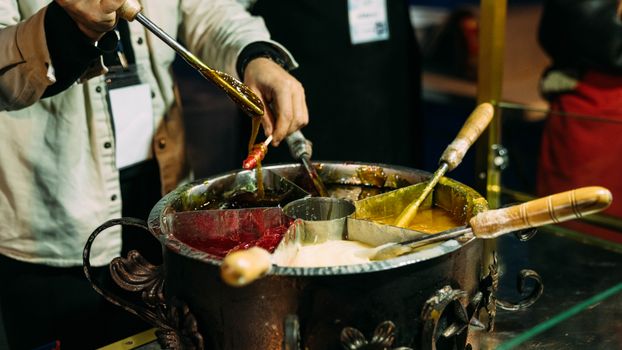
Close-up of hands crafting traditional sweets in an artisan kitchen setting. Photo: Sami TÜRK / Pexels
To embark on your maple syrup candy making journey, you'll be delighted to know that the ingredient list is incredibly short: just one! However, the tools you use are paramount to success. You'll need 100% pure maple syrup – and we emphasize *pure*. This is not the time for pancake syrup or blends, as they contain additives that prevent proper crystallization and will not yield true maple candy. Opt for a high-quality, dark robust or very dark strong taste syrup for the most pronounced maple flavour. The darker grades generally have a richer, more intense taste that translates beautifully into candy. Now, for the essential equipment. First and foremost, a reliable candy thermometer is non-negotiable. This isn't a recipe where 'eyeballing' the temperature will work. Precision is key, as even a few degrees can drastically alter the final texture of your candy. Look for a thermometer that clips to the side of your pot and has clear, easy-to-read markings. Next, you'll need a heavy-bottomed, deep pot. A heavy bottom helps distribute heat evenly, preventing scorching, while a deep pot (at least 3-4 quarts for a standard batch) is crucial to accommodate the syrup as it boils and foams, preventing boil-overs. Stainless steel is an excellent choice. Other necessary tools include a wooden spoon or heat-resistant spatula for stirring, especially during the crucial crystallization phase. You'll also want some form of molding. Traditional maple candy often uses small silicone molds shaped like maple leaves, but you can also use parchment paper lined baking sheets, or even clean, fresh snow for the classic 'maple taffy on snow' experience. If using molds, ensure they are clean and lightly greased if they aren't non-stick. Finally, a bowl of ice water will be indispensable for testing the syrup's consistency during the boil, a technique known as the cold water test, which acts as a backup to your thermometer. Having all these items ready before you start will streamline the process and increase your chances of creating perfectly sweet, authentic maple syrup candy. Preparation is key to avoiding last-minute scrambling and ensuring a smooth, enjoyable candy-making experience. Remember, quality tools are an investment in your culinary success, especially when dealing with delicate processes like candy making. Don't underestimate their importance in achieving that ideal texture and flavour profile.

Mastering the Maple Candy Process: Step-by-Step Guide

Creating maple syrup candy is a rewarding process that requires attention to detail, particularly regarding temperature and timing. Let's break down the steps to ensure your success. Begin by pouring your pure maple syrup into your heavy-bottomed, deep pot. Ensure the pot is large enough to prevent boil-overs, as the syrup will foam considerably as it heats. Attach your candy thermometer to the side of the pot, making sure the bulb is submerged in the syrup but not touching the bottom. Place the pot over medium-high heat. As the syrup heats, it will begin to boil vigorously. You may need to stir occasionally to prevent scorching, especially at the beginning, but once it's boiling steadily, avoid excessive stirring. The goal here is to evaporate water from the syrup, concentrating the sugars. Keep a close eye on your thermometer. For soft maple candy (like cream or fudge-like consistency), aim for a temperature between 235-240°F (113-116°C), which corresponds to the soft-ball stage. For firmer, more traditional hard candies, you'll want to reach 245-250°F (118-121°C), the firm-ball stage. Going much higher will result in brittle candy or even burnt syrup, so precision is key. Once the syrup reaches the desired temperature, immediately remove the pot from the heat. This is a critical juncture. Do NOT stir the syrup at this point. Allow it to cool undisturbed in the pot. You can even place the pot in a larger bowl of cool water (not ice water, as sudden temperature drops can cause premature crystallization around the edges) to speed up the cooling process, but ensure no water splashes into the syrup. The syrup needs to cool down to about 175°F (79°C) before the next step. This gradual cooling allows the sugar crystals to form uniformly and prevents a grainy texture. When the syrup has cooled sufficiently, it's time for the stirring phase. This is where the magic happens. Begin stirring the syrup vigorously with your wooden spoon or spatula. You'll notice the syrup starting to lighten in colour and thicken. It will transition from a translucent liquid to an opaque, creamy, and eventually, solid mass. This process can take anywhere from 5 to 15 minutes, depending on the volume of syrup and the temperature. Keep stirring until the mixture becomes very thick, almost like fudge, and loses its glossy sheen. It should be difficult to stir, and you might see it starting to crystallize around the edges of the pot. As soon as the candy reaches this thick, creamy stage, work quickly! Pour or spoon the mixture into your prepared molds or onto parchment paper. If you're making maple taffy, pour thin lines directly onto fresh, clean snow, allowing it to set for a few seconds before rolling it onto a stick. The candy sets very rapidly once it starts to crystallize, so speed is essential for shaping. Let the candies cool completely before unmolding or handling. Once cooled, store them in an airtight container at room temperature to maintain their freshness and prevent them from drying out or absorbing moisture. Following these steps carefully will ensure you produce delicious, authentic maple syrup candy every time. For more sweet ideas, explore other delightful maple recipes.

Tips, Troubleshooting, and Creative Variations for Maple Candy

Achieving perfect maple syrup candy consistently can be a delightful challenge. Here are some expert tips to help you master the craft, troubleshoot common issues, and explore creative variations. **Tips for Success:** * **Quality Syrup is Key:** Always use 100% pure maple syrup. The flavour and texture of your candy depend entirely on it. Grade A Dark Robust or Very Dark Strong taste syrups are often preferred for their intense maple flavour. * **Calibrate Your Thermometer:** Before starting, ensure your candy thermometer is accurate. You can test it by placing it in boiling water; it should read 212°F (100°C) at sea level. Adjust your target temperature accordingly if it's off. * **Patience During Cooling:** Resist the urge to stir the syrup while it cools. This undisturbed cooling phase is crucial for the formation of small, uniform sugar crystals, which contribute to a smooth, creamy texture. Premature stirring can lead to large, gritty crystals. * **Vigorous Stirring:** Once cooled, stir vigorously and continuously. This action initiates and promotes crystallization. Don't stop until the mixture becomes opaque and thick. * **Work Quickly:** Maple candy sets rapidly once it begins to thicken. Have your molds or parchment paper ready and work swiftly to pour and shape the candy before it hardens in the pot. **Troubleshooting Common Issues:** * **Grainy or Sugary Texture:** This usually means the syrup was stirred too early during the cooling phase, or it was cooked to too high a temperature. Ensure proper cooling without disturbance and precise temperature control. * **Too Hard/Brittle Candy:** The syrup was likely cooked to too high a temperature. For soft candy, aim for the lower end of the temperature range (235-240°F / 113-116°C). * **Too Soft/Runny Candy:** The syrup didn't reach a high enough temperature. It needs to evaporate enough water to concentrate the sugars sufficiently. Reheat slowly to the target temperature if it's still liquid. * **Syrup Crystalizes in the Pot Too Soon:** This can happen if sugar crystals from the side of the pot fall back into the syrup during boiling. Use a damp pastry brush to wipe down the sides of the pot above the syrup line to prevent this. **Creative Variations:** * **Maple Nut Candy:** Fold in finely chopped pecans, walnuts, or almonds during the final stirring stage for added crunch and flavour. * **Maple Spice Candy:** A pinch of cinnamon, nutmeg, or even a tiny amount of ground ginger can add a warm, festive twist. Add spices during the last few minutes of boiling. * **Maple Cream Truffles:** Instead of pouring into molds, once the mixture is thick and creamy, let it cool slightly more, then roll into small balls and dust with powdered sugar or cocoa powder for a decadent treat. * **Maple Swirls:** For a visually appealing candy, pour the thickened maple mixture onto parchment paper and use a spatula to create swirls before it sets. This also works well for a rustic, free-form candy. Experiment with different temperatures to achieve varying textures, from creamy soft to delightfully firm. Each batch is a learning experience, so embrace the process and enjoy the delicious results of your maple candy creations!

Comparison

FeatureHomemade Maple CandyStore-Bought Maple CandyMaple Taffy on Snow
Ingredients100% Pure Maple SyrupMaple Syrup, sometimes additives100% Pure Maple Syrup
FreshnessMade to order, superior freshnessVariable, depends on brand/storageImmediate consumption
Cost EfficiencyLower per-piece costHigher per-piece costRequires fresh snow, seasonal
Customization
AuthenticityHigh, traditional processGood, but can varyHighest, traditional experience
Effort RequiredModerateNoneModerate, requires specific conditions

What Readers Say

"I followed this guide exactly on how to make maple syrup candy, and it turned out perfectly! The candy was smooth, creamy, and had that authentic maple flavour I adore. My family couldn't get enough."

Sarah L. · Montreal, QC

"As a first-timer, I was a bit intimidated, but the step-by-step instructions made it so easy. The candy thermometer advice was spot on, leading to a fantastic batch of hard maple candies."

David R. · Vancouver, BC

"I made a double batch of maple cream candy using this recipe, and I got over 50 individual pieces! They were a hit at my potluck, everyone asked for the recipe. So much better than store-bought."

Emily C. · Toronto, ON

"The candy turned out great, though my first attempt was a little too hard. After adjusting the temperature slightly on the second try, it was perfect. The tips for troubleshooting were really helpful."

Mark J. · Calgary, AB

"We used this guide to make maple taffy on snow during a recent sugar shack visit, and it was an incredible experience. The instructions for the correct syrup consistency were invaluable for achieving that perfect chew."

Sophie P. · Quebec City, QC

Frequently Asked Questions

What kind of maple syrup should I use to make candy?

Always use 100% pure maple syrup, not pancake syrup or blends. Grade A Dark Robust or Very Dark Strong Taste is generally recommended for its rich, intense maple flavour, which translates beautifully into candy.

Why did my maple candy turn out grainy or sugary?

A grainy texture typically occurs if the syrup was stirred too early during the cooling phase or if it was cooked to too high a temperature. Ensure you allow the syrup to cool undisturbed to about 175°F (79°C) before beginning to stir vigorously.

How do I make maple taffy on snow?

To make maple taffy on snow, follow the cooking steps until the syrup reaches 235-238°F (113-114°C). Immediately pour thin lines of the hot syrup onto fresh, clean snow. Let it set for 10-20 seconds until it's pliable, then roll it onto a popsicle stick or fork.

Is making maple syrup candy at home cost-effective compared to buying it?

While the initial cost of pure maple syrup might seem higher, making candy at home is often more cost-effective per piece, especially if you buy syrup in larger quantities. Plus, you get the satisfaction of a fresh, homemade product without additives.

Can I use a regular kitchen thermometer instead of a candy thermometer?

It is highly recommended to use a dedicated candy thermometer. Regular kitchen thermometers may not have the necessary temperature range or accuracy required for candy making, where even a few degrees can significantly impact the final texture.

Who should try making maple syrup candy at home?

Anyone with a love for maple syrup, a desire to create unique homemade treats, or an interest in traditional Canadian confections should try making maple syrup candy. It's a fun and rewarding activity for families, food enthusiasts, and anyone looking for a taste of authentic Canadian heritage.

What are the safety precautions when making maple syrup candy?

When making maple syrup candy, you'll be working with very hot sugar, which can cause severe burns. Always use a deep pot to prevent boil-overs, wear oven mitts, and exercise extreme caution when handling the hot syrup. Keep children and pets away from the cooking area.

What are the emerging trends in maple syrup candy production or flavour variations?

Emerging trends in maple syrup candy production include incorporating unique flavour infusions like coffee or spices, creating gourmet chocolate-dipped maple candies, and experimenting with different textures. There's also a growing interest in artisanal, small-batch production focusing on single-origin maple syrups.

Now that you have all the knowledge and tools, it's time to experience the magic of making your own maple syrup candy. Embrace this sweet Canadian tradition and delight in the rich, authentic flavours of homemade maple treats. Get started on your culinary adventure today!

Topics: how to make maple syrup candymaple candy recipemaple taffyhomemade maple sweetsCanadian maple products
Leo List
Brampton weed
Adultwork