✓ California cuisine is fundamentally defined by its emphasis on fresh, local, and seasonal ingredients.
✓ Indigenous Californian tribes laid the groundwork for the state's food culture, utilizing native plants and sustainable practices.
✓ Spanish and Mexican influences introduced key ingredients like chiles, tortillas, and citrus, shaping early Californian dishes.
✓ The Gold Rush brought a diverse influx of immigrants, contributing global flavors and culinary techniques.
✓ The 1970s and 80s saw the formalization of 'California Cuisine' with chefs like Alice Waters championing farm-to-table.
✓ Sustainability, health-consciousness, and fusion are ongoing hallmarks of modern California cuisine.
How It Works
1
Indigenous Roots & Early Sustenance
Understand how native Californian tribes expertly utilized the land's bounty, laying the foundation for local ingredient focus. This era emphasized foraging, hunting, and sustainable agricultural practices that respected the environment.
2
Spanish & Mexican Colonial Impact
Explore the profound culinary contributions of Spanish missionaries and Mexican settlers to California's food landscape. They introduced livestock, new crops, and cooking techniques that became integral to the region's developing identity.
3
Gold Rush & Global Melting Pot
Witness how the Gold Rush era dramatically diversified California's population and, consequently, its food. Immigrants from around the world brought their culinary traditions, creating a rich tapestry of flavors that began to define the state's eclectic palate.
4
The Modern Farm-to-Table Revolution
Delve into the late 20th-century movement that codified 'California Cuisine' as a distinct culinary philosophy. This period championed fresh, seasonal, and locally sourced ingredients, redefining fine dining and influencing home cooking nationwide.
From Indigenous Bounty: The Genesis of California's Culinary Identity
Photo: Daky Imbaquingo / Pexels
The true genesis of California cuisine lies deep within the land, long before European settlers arrived. For thousands of years, indigenous Californian tribes expertly harvested the immense natural bounty of the region, establishing culinary traditions that were inherently sustainable, seasonal, and deeply connected to their environment. These early inhabitants were masters of foraging, hunting, and fishing, utilizing a vast array of native plants and animals. Acorns, for instance, were a staple food for many tribes, processed meticulously into flour for bread and porridge – a testament to their ingenuity and understanding of their ecosystem. Other essential ingredients included wild berries, roots, nuts, seeds, and game such as deer, rabbit, and various fowl. Coastal tribes relied heavily on seafood, developing sophisticated techniques for fishing and shellfish gathering. Their culinary practices were not just about sustenance; they were interwoven with spiritual beliefs, community rituals, and a profound respect for nature. The concept of eating what the land provides, in its season, is not a modern invention but a timeless practice deeply embedded in California's earliest foodways. This foundational emphasis on fresh, local ingredients, albeit without the formal 'farm-to-table' moniker, set a precedent for the culinary philosophy that would later define California cuisine. Understanding these indigenous roots is crucial to appreciating the long and rich history of food in the state. It highlights a cyclical relationship with nature, where ingredients were cherished, resources managed wisely, and flavors celebrated for their inherent quality. This early period demonstrates a sophisticated understanding of ecology and nutrition, elements that would echo through subsequent culinary developments, albeit sometimes forgotten and later rediscovered. The diverse microclimates of California, from the arid deserts to the lush coastlines and towering mountains, offered an unparalleled variety of foodstuffs, leading to distinct regional culinary practices among different tribal groups. This early culinary diversity foreshadowed the later fusion of global flavors that would characterize California's food scene. The commitment to fresh, unprocessed ingredients, a hallmark of what we now recognize as healthy eating, was simply the way of life for these original Californians, providing a powerful historical anchor for the state's enduring food philosophy.
Colonial Tastes: Spanish Missions and Mexican Influence
Photo: Joost van Os / Pexels
The arrival of Spanish missionaries and Mexican settlers in the 18th and 19th centuries marked a significant turning point in the history of California cuisine, introducing new ingredients, agricultural practices, and culinary techniques that fundamentally reshaped the region's palate. The Spanish brought with them livestock such as cattle, pigs, and sheep, which dramatically altered the protein sources available. They also introduced new crops like wheat, barley, grapes for wine, olives for oil, and a variety of citrus fruits, forever changing California's agricultural landscape. These introductions were not merely additions; they became cornerstones of the emerging Californian diet. Mexican culinary traditions, rich in flavors and techniques, also took root. The cultivation and use of chiles, corn (for tortillas), beans, and squash became widespread, forming the basis of many early Californian dishes. The mission system, while controversial in its impact on indigenous populations, served as a hub for agricultural experimentation and culinary development, blending European and native foodstuffs. Dishes like tamales, enchiladas, and various stews began to appear, adapted to local ingredients and preferences. The concept of 'hacienda cooking' emerged, characterized by hearty, flavorful meals prepared from locally grown produce and ranch-raised meats. This period saw the integration of grilling and slow-cooking methods, often utilizing outdoor hearths and ovens. The Spanish and Mexican legacy is still profoundly evident in California's food culture today, from the ubiquitous taco trucks to the fine dining establishments that elevate these traditional flavors. The vibrant use of fresh salsa, cilantro, and lime, alongside the foundational ingredients of corn and beans, directly traces back to this era. This fusion of indigenous resources with Old World imports created a distinct culinary identity, laying the groundwork for the future eclecticism of California's food scene. It was a time of significant cultural exchange, where new flavors and techniques were absorbed and adapted, creating a unique synthesis that would continue to evolve with each new wave of immigration. This blending of cultures in the kitchen became a defining characteristic, setting the stage for California's reputation as a culinary innovator and a melting pot of global tastes.
The Gold Rush and Beyond: A Global Culinary Melting Pot
Photo: frank minjarez / Pexels
The California Gold Rush, beginning in 1848, catalyzed an unprecedented demographic shift that transformed the state into a global culinary melting pot. Thousands of fortune-seekers from every corner of the world — Europe, Asia, Latin America, and the Eastern United States — flocked to California, each bringing their own distinct food traditions, ingredients, and cooking methods. This sudden influx created an incredibly diverse and often chaotic food environment. Mining camps and burgeoning cities like San Francisco became hubs of culinary exchange, where Chinese laundries often doubled as eateries serving stir-fries and noodle dishes, Italian immigrants opened bakeries and trattorias, and French chefs established fine dining restaurants catering to the newly wealthy. German delis, Irish pubs, and Jewish delicatessens also sprang up, offering a dizzying array of options. This period was characterized by a pragmatic approach to food, where availability and calorie count often trumped sophistication, yet the seeds of future culinary diversity were firmly planted. Ingredients previously unknown in California, or even the rest of the U.S., began to appear. Rice, soy sauce, pasta, exotic spices, and new preservation techniques became part of the culinary fabric. The demand for varied foodstuffs also spurred agricultural innovation, with farmers experimenting with crops to meet the tastes of the diverse population. The establishment of large-scale fruit and vegetable farms, dairies, and ranches was a direct response to this growing and varied demand. This era also saw the rise of specialized ethnic markets, further solidifying the availability of diverse ingredients. The Gold Rush laid the groundwork for California's enduring reputation as a place where culinary boundaries are fluid and experimentation is encouraged. It fostered an environment where fusion cuisine, long before it was a recognized term, was a daily reality. The willingness to embrace new flavors and combine disparate culinary traditions became an inherent part of the Californian identity, moving beyond simple sustenance to a celebration of global tastes. This historical period fundamentally shaped California's culinary landscape, proving that its food culture would always be dynamic, ever-evolving, and deeply influenced by the people who call it home. The foundational idea that California's food is a reflection of its people's journeys is a direct legacy of this transformative era, setting the stage for the later development of a globally recognized food culture that prioritizes freshness and innovation.
The Rise of Modern California Cuisine: Farm-to-Table & Beyond
Photo: Abhishek Navlakha / Pexels
The mid-20th century, particularly the 1970s and 1980s, witnessed the formalization of what we now recognize as 'California Cuisine' – a culinary philosophy characterized by its emphasis on fresh, seasonal, and locally sourced ingredients, often prepared simply to highlight their natural flavors. This movement was largely spearheaded by pioneering chefs like Alice Waters of Chez Panisse in Berkeley, Wolfgang Puck of Spago in Los Angeles, and Jeremiah Tower. They challenged the prevailing French-centric fine dining norms, advocating for a return to the fundamentals: quality ingredients from nearby farms and purveyors. Waters, in particular, became an icon of the farm-to-table movement, forging direct relationships with local farmers and inspiring a generation of chefs to do the same. This philosophy was revolutionary at the time, shifting the focus from elaborate sauces and complex preparations to the inherent goodness of the produce itself. Dishes became lighter, healthier, and celebrated the abundance of California's agricultural landscape. The concept of 'seasonal' eating became paramount, with menus changing frequently to reflect what was freshest and most available. This era also saw the popularization of wood-fired ovens, grilling, and a lighter touch with fats and heavy creams. Beyond the initial farm-to-table push, California cuisine continued to evolve, absorbing influences from the Pacific Rim, Latin America, and other global culinary traditions. The state's diverse population ensured a constant influx of new flavors and techniques, leading to a dynamic and innovative food scene. Fusion cuisine, often characterized by the blending of Asian and Western elements, became a hallmark. The focus on health and wellness also became increasingly prominent, with vegetarian, vegan, and gluten-free options becoming commonplace long before they were mainstream elsewhere. Today, California cuisine continues to innovate, embracing sustainable practices, exploring new fermentation techniques, and pushing the boundaries of what's possible in the kitchen, all while staying true to its core principles of freshness, seasonality, and local sourcing. The legacy of these culinary pioneers is evident in nearly every aspect of contemporary dining, both within California and across the globe.
Comparison
Feature
Modern California Cuisine
Traditional French Cuisine
Classic American Diner
Ingredient Sourcing
Local, Seasonal, Organic (often)
Regional, Classic European
Industrial, Convenience-focused
Preparation Style
Simple, Light, Fresh
Complex, Sauce-driven, Rich
Comfort food, Fried, Heavy
Flavor Profile
Bright, Clean, Fusion-inspired
Deep, Savory, Herbaceous
Salty, Sweet, Umami
Health Emphasis
High
Medium
Low
Key Dishes
Avocado Toast, Grain Bowls, Fresh Seafood
Coq au Vin, Escargots, Soufflé
Burgers, Fries, Milkshakes
Innovation Level
High
Moderate (within tradition)
Low (classic focus)
What Readers Say
★★★★★
"Reading about the history of California cuisine really deepened my appreciation for every meal I eat here. I never realized the indigenous roots or the incredible impact of the Gold Rush on our food. It makes perfect sense now why our food scene is so diverse and fresh!"
Sarah J. · Oakland, CA
★★★★★
"This article is a fantastic deep dive into the evolution of California's food. It clearly explains how different cultures contributed to our unique culinary identity, from Spanish influences to the modern farm-to-table movement. Truly insightful."
Michael T. · Los Angeles, CA
★★★★★
"As a chef, understanding the history of California cuisine is crucial. This piece beautifully articulates the journey from native ingredients to the global fusion we see today. It directly inspires me to think more about sourcing and cultural impact in my own cooking."
Emily R. · San Francisco, CA
★★★★★
"While I knew about farm-to-table, the earlier history, especially the indigenous and Gold Rush periods, was completely new and fascinating. It's a comprehensive overview, though I wish there were a few more specific dish examples from each era."
David L. · San Diego, CA
★★★★★
"I loved learning how California cuisine isn't just about 'healthy eating' but has deep historical and cultural roots. It's a testament to the state's diverse population and abundant resources. This article truly captures the essence of our food."
Maria C. · Sacramento, CA
Frequently Asked Questions
What is the defining characteristic of California cuisine?
The defining characteristic of California cuisine is its unwavering emphasis on fresh, local, and seasonal ingredients. It prioritizes simple preparations that highlight the natural flavors and quality of the produce, often integrating diverse global influences and a focus on health and sustainability.
Is California cuisine just 'healthy food'?
While often associated with healthy eating, California cuisine is much more than just 'healthy food.' It's a culinary philosophy rooted in a deep respect for ingredients, seasonality, and diverse cultural influences, making it flavorful, innovative, and often light, rather than solely focused on calorie restriction.
How did the Gold Rush impact California's food culture?
The Gold Rush had a profound impact by bringing a massive influx of immigrants from around the world, each contributing their own culinary traditions. This created an incredibly diverse food landscape, introducing new ingredients and cooking styles that laid the groundwork for California's future as a global culinary melting pot.
Who are some key figures in the history of California cuisine?
Key figures include Alice Waters (Chez Panisse), who pioneered the farm-to-table movement; Wolfgang Puck (Spago), known for his innovative fusion cuisine; and Jeremiah Tower (Stars), who helped define California's fine dining scene. Their work collectively shaped the modern identity of California cuisine.
How does California cuisine compare to other regional American cuisines?
California cuisine stands apart from many other regional American cuisines due to its strong emphasis on fresh, local ingredients, lighter preparations, and a pervasive integration of global (especially Pacific Rim and Latin American) flavors. It's generally less comfort-food oriented and more focused on innovation and seasonality.
Who should explore the history of California cuisine?
Anyone with an interest in food, culinary history, cultural studies, or simply those who enjoy eating in California should explore its history. It offers a deeper appreciation for the unique flavors, philosophies, and diverse influences that make California's food scene so vibrant and distinctive.
What role does sustainability play in modern California cuisine?
Sustainability plays a crucial role in modern California cuisine. Chefs and diners alike increasingly prioritize ethically sourced ingredients, reduced food waste, support for local farmers, and environmentally conscious practices, extending the original farm-to-table ethos to encompass broader ecological responsibility.
What are some future trends for California cuisine?
Future trends for California cuisine likely include an even stronger focus on hyper-local and regenerative agriculture, continued exploration of plant-based and alternative protein sources, deeper integration of indigenous foodways, and innovative approaches to food technology, all while maintaining its core commitment to fresh, quality ingredients.
Embark on your own culinary adventure through California by exploring its rich history. From indigenous foraging to the latest farm-to-table innovations, understanding the history of California cuisine enriches every bite. Discover the traditions and pioneers that shaped this iconic food culture and taste the story for yourself.

 Photo: Daky Imbaquingo / Pexels
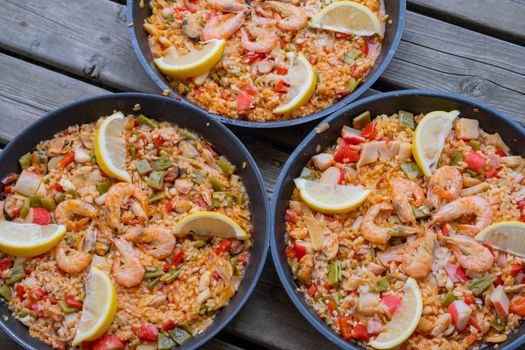 Photo: Joost van Os / Pexels
 Photo: frank minjarez / Pexels
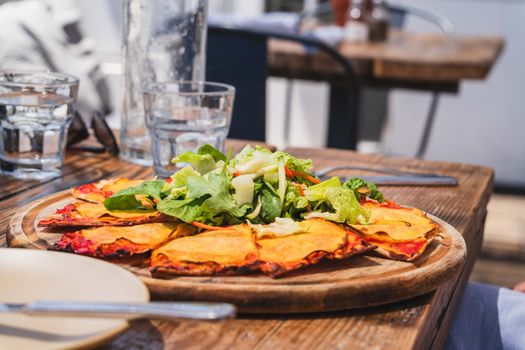 Photo: Abhishek Navlakha / Pexels