Delicious Gluten Free Canadian Recipes: A True Taste of Canada
gluten free canadian recipes

Delicious Gluten Free Canadian Recipes: A True Taste of Canada

Savour the rich culinary heritage of Canada, adapted for a gluten-free lifestyle, without compromising on flavour or tradition.

Discover Recipes Now

Key Takeaways

  • ✓ Canada's culinary landscape is diverse, influenced by Indigenous, French, British, and multicultural traditions.
  • ✓ Adapting traditional Canadian dishes to be gluten-free is often simpler than perceived, using readily available substitutions.
  • ✓ Many classic Canadian ingredients like maple syrup, wild berries, and certain game meats are naturally gluten-free.
  • ✓ The demand for gluten-free options in Canada has led to widespread availability of specialized products and restaurant choices.

How It Works

1
Identify Classic Canadian Dishes

Begin by pinpointing your favourite traditional Canadian recipes, from poutine to tourtière, that you wish to make gluten-free. This foundational step helps in understanding the core components to adapt.

2
Master Gluten-Free Substitutions

Learn effective replacements for gluten-containing ingredients like wheat flour, bread crumbs, and certain sauces. This involves exploring various gluten-free flours and alternative thickeners to maintain texture and taste.

3
Experiment and Adapt

Don't be afraid to experiment with new ingredients and adjust recipes to suit your palate. Culinary creativity is key to perfecting gluten-free versions of beloved Canadian classics, ensuring they are as delicious as the originals.

4
Enjoy and Share Your Creations

Once perfected, share your gluten-free Canadian culinary masterpieces with friends and family. Celebrating these adapted dishes not only brings joy but also helps others discover the possibilities of gluten-free eating.

Embracing Gluten-Free Canadian Comfort Food

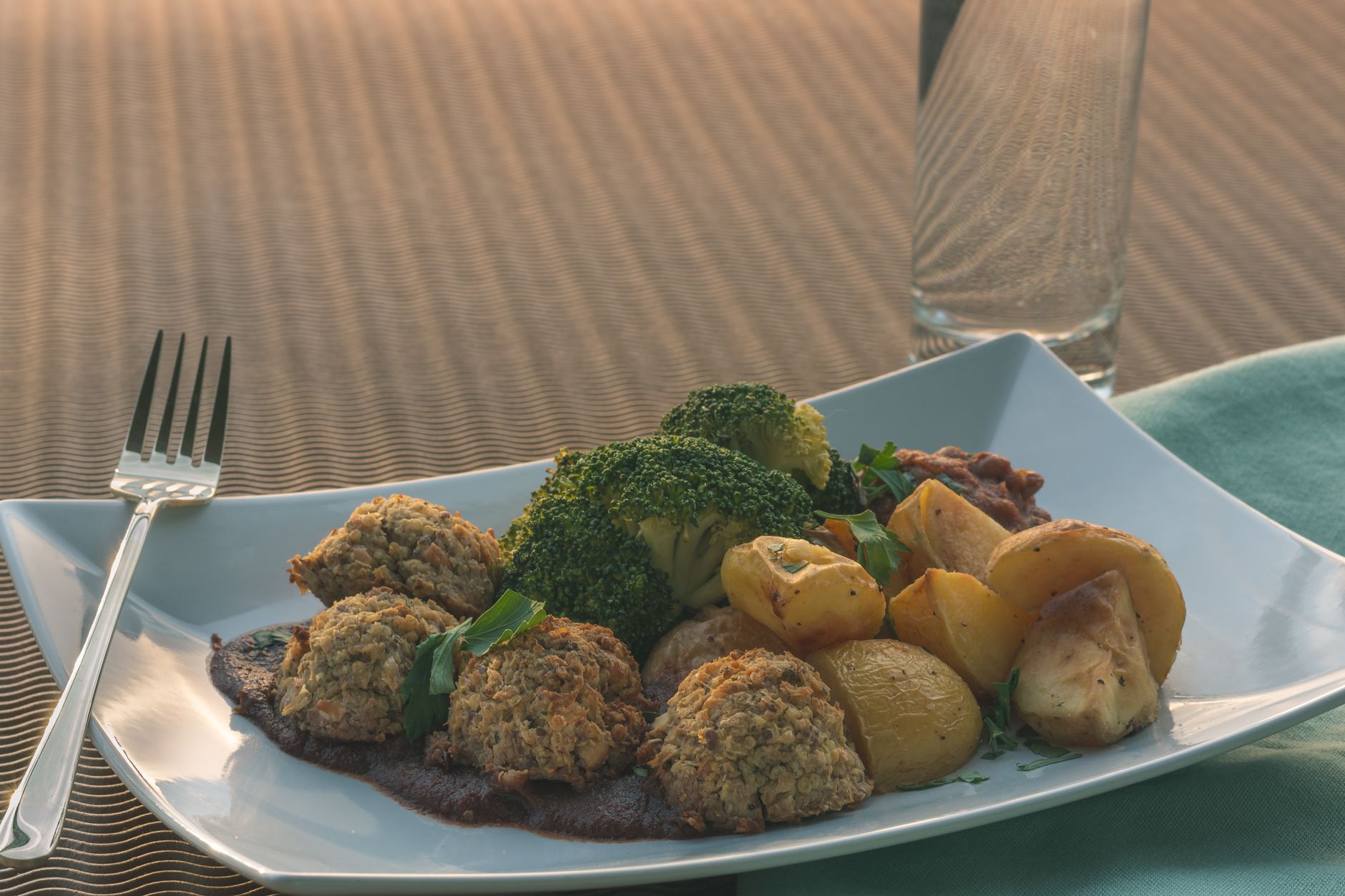
A delicious and nutritious flat lay of cauliflower, potatoes, and coconut on a plate. Photo: Loren Castillo / Pexels
Canada, a vast and diverse nation, boasts a culinary heritage as rich and varied as its landscapes. From the Atlantic to the Pacific, and up to the Arctic, Canadian cuisine is a mosaic of Indigenous traditions, French influences, British staples, and the vibrant contributions of immigrants from around the globe. For those navigating a gluten-free lifestyle, whether due to celiac disease, gluten sensitivity, or personal preference, the prospect of enjoying these beloved national dishes might seem daunting. However, with a bit of knowledge and the right approach, embracing gluten-free Canadian comfort food is not only possible but incredibly rewarding. This section delves into the heart of Canadian comfort food and how it can be thoughtfully adapted to be entirely gluten-free without sacrificing flavour or authenticity. Think of classic Canadian comfort foods: the savoury richness of a tourtière, the creamy indulgence of a Nanaimo bar, the humble yet satisfying butter tart, or even the iconic poutine. Many of these dishes, at first glance, appear to be heavily reliant on gluten-containing ingredients like wheat flour for crusts, thickeners, or breading. However, the modern culinary landscape offers an impressive array of gluten-free alternatives that can seamlessly replace these traditional components. For instance, a flaky gluten-free pie crust can be achieved with a blend of rice flour, tapioca starch, and potato starch, yielding a texture remarkably similar to its wheat-based counterpart. Gravies and sauces, often thickened with wheat flour, can be easily made gluten-free using cornstarch, arrowroot powder, or even naturally reduced broths. The key lies in understanding the function of gluten in a recipe and finding an appropriate substitute that performs a similar role, whether it's providing structure, thickening, or binding ingredients together. Beyond simple substitutions, the essence of Canadian comfort food often lies in its robust flavours and hearty ingredients, many of which are naturally gluten-free. Maple syrup, a quintessential Canadian product, is a naturally gluten-free sweetener that forms the backbone of countless desserts and glazes. Wild berries like blueberries, cranberries, and Saskatoon berries, frequently found in Canadian baking and preserves, are also naturally free of gluten. Lean game meats, fresh seafood from Canada's extensive coastlines, and a bounty of root vegetables are all integral to Canadian cooking and inherently gluten-free. This natural abundance provides a fantastic starting point for creating delicious gluten-free meals that truly capture the spirit of Canadian cuisine. Exploring local Canadian ingredients can further inspire your gluten-free culinary journey. Adapting these recipes isn't just about avoiding gluten; it's also an opportunity to explore new ingredients and techniques. Gluten-free flours often have unique flavour profiles and textures, which can add a new dimension to familiar dishes. For example, buckwheat flour, while not a wheat product, has a distinct earthy flavour that can be wonderful in savory crepes or pancakes, echoing French-Canadian traditions. Almond flour can provide a rich, moist crumb in cakes and cookies. The journey of transforming classic Canadian comfort foods into gluten-free versions is an exciting culinary adventure, opening doors to new tastes and textures while staying true to the beloved heritage of Canadian cooking. It ensures that everyone, regardless of dietary restrictions, can pull up a chair and enjoy the warmth and flavour of a truly Canadian meal.

Mastering Gluten-Free Baking with Canadian Flair

A tempting display of gluten-free brownies and blondies in trays, perfect for dessert lovers. Photo: Lara Farber / Pexels
Baking is often considered one of the biggest challenges for those adhering to a gluten-free diet, primarily because gluten provides the elasticity and structure so vital in many baked goods. However, mastering gluten-free baking with a distinctly Canadian flair is not only achievable but can lead to incredibly satisfying results. Canadian baking traditions are rich with delights, from the intricate layers of a Nanaimo bar to the simple charm of a butter tart, the hearty goodness of bannock, and the sweet indulgence of maple-infused treats. Each of these can be reimagined and perfected in a gluten-free format, offering a delightful culinary exploration. The secret to successful gluten-free baking lies in understanding the properties of various gluten-free flours and how to combine them to mimic the effects of wheat flour. A single gluten-free flour rarely performs as well as a blend. For instance, a common and effective gluten-free flour blend might include a starchy flour (like tapioca starch or cornstarch for lightness and crispness), a protein-rich flour (like almond flour or sorghum flour for structure and richness), and a whole grain flour (like brown rice flour or oat flour for flavour and fibre). Additionally, xanthan gum or guar gum are often used in small amounts to provide elasticity and prevent crumbling, replicating some of gluten's binding properties. When making a classic Canadian pie crust for a tourtière or a berry pie, this blend is crucial for achieving that desired flaky texture. Consider the iconic Nanaimo Bar, a no-bake treat that typically features a crumbly cookie base. While the traditional base uses graham cracker crumbs (which contain wheat), a gluten-free version can be easily made with gluten-free graham crackers or a homemade crumb mixture using gluten-free digestive biscuits or even crushed gluten-free cookies blended with butter and cocoa. The custard filling and chocolate ganache topping are naturally gluten-free, making this a relatively straightforward adaptation. Similarly, butter tarts, with their rich, sweet filling, primarily require a good gluten-free pastry. With the right blend of gluten-free flours and careful handling, you can create a tender, flaky tart shell that cradles the signature gooey filling perfectly. The natural sweetness of maple syrup, a staple in many Canadian desserts, is also a fantastic, naturally gluten-free flavour enhancer. For a more rustic Canadian bake, like bannock – an Indigenous fried or baked bread – gluten-free flour blends can be used to create a delicious and authentic version. The key is to ensure the dough has enough moisture and a good balance of flours to prevent it from being too dense or crumbly. Experimentation is your best friend here; different blends will yield different results, and finding your preferred combination is part of the fun. Moreover, incorporating naturally gluten-free Canadian ingredients, such as wild blueberries in muffins or cranberries in loaves, elevates these baked goods, infusing them with authentic local flavours. The journey of gluten-free baking with Canadian flair is a testament to culinary adaptability, proving that dietary restrictions need not limit enjoyment of the nation's sweet and savoury baked treasures.

Hearty Gluten-Free Canadian Main Dishes for Every Season

A group of people sharing a pie with a Canadian flag, symbolizing unity and celebration. Photo: Cedric Fauntleroy / Pexels
Canada's culinary landscape offers a plethora of hearty main dishes perfectly suited for adaptation to a gluten-free lifestyle, ensuring that every meal, regardless of the season, can be both satisfying and compliant. From robust stews to flavourful roasts and innovative seafood preparations, Canadian main courses are designed to nourish and delight. The good news is that many of these dishes are inherently or easily made gluten-free, focusing on whole ingredients that naturally align with dietary needs. This section explores how to enjoy classic Canadian main dishes throughout the year, completely free of gluten. Winter in Canada calls for warming, substantial meals, and one of the most iconic is Tourtière, a savoury meat pie originating from Quebec. Traditionally, tourtière features a flaky pastry crust. As discussed, achieving a delicious gluten-free pastry is entirely possible with the right flour blends and techniques. The rich, spiced meat filling (often pork, beef, or wild game) is naturally gluten-free. Ensuring that any broth used for the filling is also gluten-free is a simple check. Another winter favourite is beef stew, often served with root vegetables. This can be made gluten-free by thickening the gravy with cornstarch or arrowroot powder instead of wheat flour, and ensuring any Worcestershire sauce or stock used is certified gluten-free. The robust flavours of slow-cooked meats and vegetables are naturally rich and comforting, making them perfect gluten-free options. As spring arrives, lighter, yet still hearty, dishes come to the forefront. Canadian salmon, often grilled or baked, is a fantastic naturally gluten-free protein. Pair it with roasted asparagus or a wild rice pilaf for a nutritious and delicious meal. For a taste of the Maritimes, consider a seafood chowder. While some chowders might use a roux for thickening, many authentic versions rely on the natural starch from potatoes and the richness of cream, making them easily adaptable to be gluten-free. Just ensure any added seasonings or broths are gluten-free. The freshness of spring ingredients perfectly complements these lighter, yet still substantial, main courses. Summer in Canada is synonymous with barbecues and fresh produce. Grilled meats, like Canadian beef burgers (ensure no breadcrumbs in the patty) or marinated chicken, are naturally gluten-free. Serve them on gluten-free buns or as lettuce wraps with plenty of fresh, seasonal salads. A classic Canadian dish like 'donair' (a Halifax specialty) can be enjoyed gluten-free by using gluten-free pita bread or serving the spiced meat and sweet garlic sauce over rice or salad. Incorporating fresh berries into side salads or as a dessert alongside grilled meats adds a wonderful Canadian touch. Discovering seasonal Canadian produce can elevate your gluten-free cooking. Autumn brings a bounty of root vegetables and squash, perfect for roasting or incorporating into comforting casseroles. Roast chicken or turkey, often served with roasted vegetables and a gluten-free gravy, makes for a perfect autumn feast. Shepherd's pie, with its savoury meat and vegetable base topped with creamy mashed potatoes, is another excellent gluten-free option (ensure no flour is used to thicken the meat base). The natural flavours of these ingredients shine through, providing deeply satisfying meals without the need for gluten. Across all seasons, the focus on fresh, high-quality Canadian ingredients ensures that gluten-free main dishes are not just a substitute, but a celebration of the country's diverse culinary offerings.

Tips for Successful Gluten-Free Canadian Cooking & Common Mistakes to Avoid

A hand placing dough balls on a baking tray, showcasing baking preparation. Photo: Felicity Tai / Pexels
Embarking on a journey to create delicious gluten-free Canadian recipes can be incredibly rewarding, but like any culinary endeavor, it comes with its own set of considerations and potential pitfalls. To ensure your gluten-free Canadian cooking is consistently successful, it's essential to arm yourself with practical tips and be aware of common mistakes to avoid. These insights will help you navigate substitutions, understand ingredient interactions, and ultimately, achieve dishes that are as authentic and flavourful as their traditional counterparts. **Tips for Success:** * **Invest in Quality Gluten-Free Flours:** Not all gluten-free flours are created equal. For best results, invest in a variety of high-quality flours (e.g., brown rice, tapioca, almond, sorghum) and consider using a reputable gluten-free all-purpose blend. These blends are often formulated to mimic the properties of wheat flour more effectively than single-grain alternatives. * **Understand the Role of Binders:** Gluten provides elasticity and structure. In its absence, binders like xanthan gum or psyllium husk powder are crucial. Use them sparingly, as too much can result in a gummy texture. Follow recipe recommendations closely. * **Moisture is Key:** Gluten-free baked goods tend to be drier. Increase moisture content with ingredients like extra eggs, mashed fruits (banana, apple sauce), yogurt, or additional fats. This helps achieve a tender crumb. * **Cross-Contamination Awareness:** In a shared kitchen, cross-contamination is a significant concern for those with celiac disease. Use separate cutting boards, utensils, toasters, and clean cooking surfaces thoroughly before preparing gluten-free meals. Always read labels to ensure ingredients are certified gluten-free. * **Embrace Naturally Gluten-Free Ingredients:** Focus on recipes that inherently use gluten-free Canadian ingredients like fresh meats, fish, vegetables, fruits, maple syrup, and wild rice. This minimizes the need for complex substitutions. * **Experiment with Flavour Enhancers:** Gluten-free flours can sometimes have a milder flavour. Don't be shy about using herbs, spices, and naturally flavourful Canadian ingredients (like smoked salmon, aged cheddar, or potent berry reductions) to boost the taste profile of your dishes. **Common Mistakes to Avoid:** * **Substituting 1:1 with a Single GF Flour:** Rarely does a single gluten-free flour perfectly replace wheat flour in a 1:1 ratio. This often leads to dense, crumbly, or dry results. Use blends or follow recipes specifically developed for gluten-free baking. * **Overmixing Dough/Batter:** Gluten-free doughs and batters don't develop gluten, so overmixing won't make them tough. However, it can still incorporate too much air, leading to a fragile structure that collapses during baking. Mix until just combined. * **Not Resting Doughs:** Gluten-free doughs, especially for pie crusts or breads, often benefit from a resting period in the refrigerator. This allows the flours to hydrate fully, improving texture and workability. * **Ignoring Temperature:** Gluten-free ingredients, particularly flours and starches, can be sensitive to temperature changes. Ensure ingredients are at room temperature when specified, and preheat ovens thoroughly. * **Giving Up After One Failed Attempt:** Gluten-free cooking, especially baking, is a learning curve. Don't get discouraged by initial failures. Adjustments to ingredients, ratios, and techniques are often necessary. Each attempt teaches you more about the specific properties of gluten-free ingredients. By keeping these tips in mind and actively avoiding common pitfalls, your journey into gluten-free Canadian cuisine will be a delicious and successful one, allowing you to enjoy the rich flavours of Canada without compromise.

Comparison

FeatureGluten-Free Classic PoutineTraditional PoutineGluten-Free Tourtière
French FriesCertified GF fries (often potato or sweet potato)Standard potato fries (check for cross-contamination)N/A
Gravy BaseCornstarch/Arrowroot thickened, GF brothWheat flour roux thickened, beef brothN/A
Cheese CurdsNaturally GF (fresh, squeaky)Naturally GF (fresh, squeaky)N/A
Crust/PastryN/AN/AFlaky GF pie crust (rice, tapioca, potato starch blend)
Meat FillingN/AN/ASpiced ground meat (pork/beef), naturally GF
Thickener for FillingN/AN/AOften naturally thickened or small amount of GF flour
AccessibilityRequires careful ingredient sourcingWidely availableRequires specific GF flour blends
Dietary SuitabilityCeliac, gluten-sensitive, general GFStandard dietCeliac, gluten-sensitive, general GF

What Readers Say

"As someone with celiac disease, finding truly delicious gluten-free Canadian recipes has been a challenge. This guide opened my eyes to so many possibilities! The gluten-free Nanaimo bar recipe was a game-changer – perfectly chewy and rich."

Sarah P. · Vancouver, BC

"I never thought I'd enjoy poutine again after my diagnosis, but the tips for gluten-free gravy and fries here were spot on. My family couldn't even tell the difference. It's fantastic to enjoy a Canadian classic without worry."

Marc L. · Montreal, QC

"I used the advice from this article to make a gluten-free tourtière for our family Christmas dinner. It was a huge hit, even with the non-GF eaters! The crust was flaky, and the filling was incredibly flavourful. Definitely a new family tradition."

Emily R. · Toronto, ON

"The article is super comprehensive and helpful, especially the tips on flour blends. I tried the butter tart recipe, and while my first batch was a little crumbly, the subsequent attempts, following the moisture tips, were much better. Still, a learning curve with gluten-free baking."

David C. · Calgary, AB

"Living in the Maritimes, seafood chowder is a staple. This guide's approach to naturally gluten-free chowder was excellent. It proved that you don't always need complex substitutions to make traditional Canadian dishes accessible. Highly recommend!"

Jessica M. · Halifax, NS

Frequently Asked Questions

What are the most popular Canadian dishes that can easily be made gluten-free?

Many popular Canadian dishes lend themselves well to gluten-free adaptation. Poutine can be made with certified gluten-free fries and cornstarch-thickened gravy. Tourtière and butter tarts require a good gluten-free pie crust. Nanaimo bars are easily made gluten-free with alternative cookie crumbs, and many seafood dishes like Atlantic salmon or chowders are naturally gluten-free or easily adapted by ensuring gluten-free broths and thickeners.

Is it difficult to find gluten-free ingredients in Canada for these recipes?

No, it's generally not difficult. Canada has a strong market for gluten-free products, with most major grocery stores stocking a wide range of gluten-free flours, breads, pastas, and certified gluten-free specialty items. Health food stores and even some farmers' markets also offer specialized ingredients, making it easier than ever to source what you need for gluten-free Canadian cooking.

How do I ensure my gluten-free Canadian recipes don't taste 'different'?

The key to avoiding a 'different' taste in gluten-free recipes is to use high-quality gluten-free flour blends that mimic wheat flour's texture and flavour. Also, focus on the naturally gluten-free flavour components of Canadian cuisine, like maple syrup, fresh berries, and robust meats. Don't be afraid to enhance flavours with spices and herbs, and ensure proper hydration and binding to prevent dryness or crumbliness.

What is the cost implication of cooking gluten-free Canadian recipes?

Gluten-free specialty ingredients, especially flours and pre-made products, can sometimes be more expensive than their wheat-based counterparts. However, by focusing on naturally gluten-free Canadian ingredients like fresh produce, meats, and seafood, and making your own flour blends, you can manage costs effectively. Bulk buying gluten-free flours can also reduce the overall expense.

How do gluten-free Canadian recipes compare to other international gluten-free cuisines?

Gluten-free Canadian recipes offer a unique blend of comfort food and multicultural influences, often featuring hearty flavours, maple syrup, and wild ingredients. While other international gluten-free cuisines might focus on naturally gluten-free staples like rice or corn, Canadian adaptations typically involve substituting gluten in traditional European-influenced dishes, offering a distinct flavour profile that is both familiar and innovative.

Who should try gluten-free Canadian recipes?

Anyone with celiac disease, non-celiac gluten sensitivity, or those choosing a gluten-free lifestyle for health reasons should definitely try these recipes. Additionally, adventurous home cooks looking to explore new culinary challenges, or individuals with a general interest in Canadian cuisine, will find these adaptations both delicious and rewarding.

Are there any health risks associated with gluten-free Canadian cooking?

The primary risk is cross-contamination for individuals with celiac disease, if gluten-containing ingredients are processed in the same area. Nutritionally, ensure your gluten-free diet is balanced, as some gluten-free products can be lower in fibre or certain vitamins. Focusing on whole, naturally gluten-free Canadian ingredients helps mitigate this. Always ensure all ingredients are certified gluten-free if severe sensitivity is a concern.

What future trends can we expect in gluten-free Canadian cuisine?

We can expect a continued rise in innovative gluten-free flour blends and products, making adaptations even easier and more delicious. There will likely be a greater emphasis on plant-based gluten-free Canadian options, and increased availability of gluten-free dishes in restaurants and cafes across Canada. Fusion cuisine, blending Canadian flavours with other gluten-free international traditions, is also a growing trend.

Ready to rediscover the rich, diverse flavours of Canada without compromising your gluten-free lifestyle? Dive into our comprehensive guide and start creating your own delicious gluten free Canadian recipes today. Your culinary adventure awaits!

Topics: gluten free canadian recipesCanadian comfort food gluten freeceliac friendly Canadatraditional Canadian cuisine gluten free
Leo List
Brampton weed
Adultwork