Your Guide to Canadian Maple Syrup Grades Explained
July 16, 2026 16 min read 3,188 words
Navigate the delicious world of Canadian maple syrup, understanding each grade's unique characteristics and ideal culinary applications.
Explore the Grades
The Evolution of Maple Syrup Classification: Understanding Canadian Maple Syrup Grades Explained
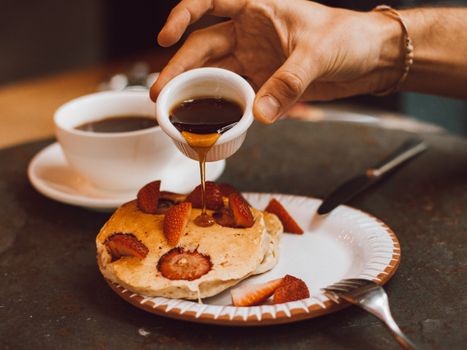 Photo: ROMAN ODINTSOV / Pexels
For centuries, maple syrup has been a cherished natural sweetener, deeply ingrained in Canadian culture and culinary traditions. However, the way we've categorized and understood this liquid gold has undergone significant changes. Historically, maple syrup was often graded using a system that was less intuitive for consumers, employing terms like 'Grade A Light Amber,' 'Grade A Medium Amber,' 'Grade A Dark Amber,' and 'Grade B.' While these terms provided a technical distinction, they didn't always clearly communicate the syrup's flavor profile or best uses to the average shopper. This led to confusion, with many consumers believing 'Grade B' was somehow inferior, when in reality, it simply referred to a darker, more robust syrup. The shift to a more consumer-friendly system was a pivotal moment for the industry, particularly for
Canadian maple syrup producers. In 2014, Canada, in collaboration with the United States, adopted a new, harmonized grading standard. This new system, which is now widely used, simplifies the classification by focusing on color and flavor intensity, making it much easier for consumers to choose the right syrup for their needs. This change was crucial for both domestic and international markets, ensuring consistency and clarity. The new grades — Golden, Amber, Dark, and Very Dark — are not about quality differences, but rather about spectrums of color and flavor. All grades are 100% pure maple syrup, free from additives or artificial flavors, reflecting the natural variations that occur during the sugaring season. Early season sap, which is typically lighter, produces the Golden and Amber syrups, while later season sap, subjected to more prolonged boiling and natural enzymatic reactions, yields the darker, more intensely flavored Dark and Very Dark grades. Understanding these nuances is key to appreciating the full versatility of maple syrup. It empowers consumers to move beyond a 'one-size-fits-all' approach and to truly explore the diverse applications of this natural sweetener, from delicate breakfast toppings to robust ingredients in cooking and baking. This standardized approach not only benefits consumers by providing clearer information but also helps producers by streamlining packaging and marketing efforts, solidifying maple syrup's place as a premium natural product on the global stage. The clarity provided by the new grading system ensures that when you see 'Canadian Maple Syrup Grades Explained,' you're engaging with a system designed for simplicity and delicious discovery.
Unpacking the Flavor Profiles: A Deep Dive into Each Canadian Maple Syrup Grade
 Photo: Vlada Karpovich / Pexels
Delving deeper into the specific characteristics of each Canadian maple syrup grade reveals a spectrum of flavors and aromas, each with its unique charm and culinary potential. It’s important to reiterate that these grades are not about quality, but rather about the distinct sensory experience they offer. Let's break down each one:
**Golden, Delicate Taste:** This is often the first syrup produced at the beginning of the sugaring season, when the weather is still quite cold. Its color is, as the name suggests, a brilliant golden yellow, almost translucent. The flavor is exceptionally mild, delicate, and subtly sweet, with very faint maple notes. It's the least intense of all the grades, making it perfect for those who prefer a lighter touch. Think of it as the 'champagne' of maple syrups – elegant and refined. It's superb drizzled over fresh fruit, yogurt, delicate pancakes, or as a gentle sweetener in tea and coffee where you don't want the maple flavor to overpower other ingredients. Its light profile also makes it excellent for creating glazes that need just a hint of sweetness without a strong maple presence.
**Amber, Rich Taste:** As the sugaring season progresses and temperatures begin to rise, the sap naturally darkens slightly, leading to Amber syrup. This grade boasts a beautiful, clear amber hue. Its flavor is a classic, well-balanced maple taste that most people associate with traditional maple syrup. It's richer than Golden but still smooth and nuanced, with a pleasant sweetness and a more pronounced maple aroma. Amber, Rich Taste is incredibly versatile and is often considered the all-purpose maple syrup. It's fantastic on waffles, French toast, oatmeal, and is a popular choice for baking, adding a delightful maple depth without being too overwhelming. It’s also excellent in salad dressings and marinades, providing a sweet and savory balance.
**Dark, Robust Taste:** Produced later in the season when the weather is warmer, Dark, Robust Taste syrup has a deeper, more intense color, ranging from dark amber to light brown. The flavor profile is significantly more pronounced than Amber, offering a bold, hearty maple taste. You might detect notes of caramel, brown sugar, or even a hint of roasted marshmallow. This grade stands up well to stronger flavors and is a favorite among chefs and home cooks for its ability to infuse dishes with a rich maple essence. It’s ideal for glazes on roasted meats like ham or salmon, in barbecue sauces, marinades, and in baked goods where a strong maple flavor is desired, such as maple pecan pie or maple-glazed donuts. Its robustness makes it a fantastic secret ingredient in chili or stews, adding an unexpected layer of sweetness and depth.
**Very Dark, Strong Taste:** This is the darkest and most intensely flavored maple syrup, typically harvested at the very end of the sugaring season. Its color is a deep, opaque brown, almost black. The flavor is profoundly strong, robust, and complex, often described as having notes of molasses, burnt sugar, or even coffee. It's the least sweet-tasting, despite having the same sugar content, because its intense flavors dominate. Very Dark, Strong Taste is not usually consumed directly as a table syrup due to its potent flavor, though some enthusiasts enjoy it. Instead, it shines brightest as a culinary ingredient. It’s perfect for industrial use, as a flavoring agent in processed foods, and for serious home cooks looking to impart an unmistakable, powerful maple flavor to their creations. Think of using it in rich sauces, rubs for smoked meats, artisanal ice creams, or in highly concentrated maple candies and confections. It’s also an excellent choice for brewing beer or making spirits where a deep, earthy sweetness is desired. Each grade offers a distinct journey for the palate, ensuring there's a perfect Canadian maple syrup for every taste and every culinary adventure.
Culinary Applications and How to Choose Your Ideal Canadian Maple Syrup Grade
 Photo: Vlada Karpovich / Pexels
Choosing the right Canadian maple syrup grade is like selecting the perfect wine for a meal – it enhances the overall experience and brings out the best in your dish. While personal preference plays a significant role, understanding the traditional culinary applications for each grade can significantly elevate your cooking and dining. The beauty of these distinct grades lies in their versatility, allowing you to tailor the maple flavor to your specific needs. Let's explore how to best utilize each grade in your kitchen, ensuring that your
maple syrup recipes reach their full potential.
**For Delicate Dishes and Subtle Sweetness (Golden, Delicate Taste):** When you want sweetness without overwhelming other flavors, Golden is your go-to. Its light body and gentle maple notes make it superb for:
* **Breakfasts:** Drizzling over fresh berries, Greek yogurt, or light, fluffy pancakes where you want the pancake flavor to shine.
* **Beverages:** Sweetening delicate teas, coffee, or even sparkling water with a hint of natural sweetness.
* **Desserts:** As a glaze for fruit tarts, a light syrup for panna cotta, or in whipped cream where a strong maple flavor isn't desired.
* **Dressings:** Light vinaigrettes for green salads, adding a touch of sweetness without being cloying.
**For Everyday Enjoyment and Balanced Flavor (Amber, Rich Taste):** This is the workhorse of maple syrups, the one most people reach for regularly. Its balanced, classic maple flavor makes it ideal for almost anything:
* **Classic Breakfasts:** The quintessential syrup for waffles, French toast, oatmeal, and breakfast cereals.
* **Baking:** A fantastic substitute for sugar in cookies, cakes, muffins, and breads, imparting a lovely maple essence.
* **Marinades & Glazes:** Excellent for chicken, pork, or vegetables, providing a sweet and savory balance.
* **Sauces:** A base for delicious dessert sauces or even a touch of sweetness in savory gravies.
**For Bold Flavors and Rich Depth (Dark, Robust Taste):** When you need the maple flavor to stand out and contribute significantly to the dish, Dark, Robust Taste is your ally. Its intensity holds up well against other strong ingredients:
* **Hearty Breakfasts:** Perfect for buckwheat pancakes, cornmeal waffles, or oatmeal with nuts and spices.
* **Roasting & Grilling:** An incredible glaze for roasted root vegetables (carrots, sweet potatoes), grilled salmon, or smoked ribs.
* **Baking:** Essential for recipes where maple is the star, like maple pecan pie, maple-glazed donuts, or rich maple cheesecakes.
* **Savory Dishes:** A secret ingredient in chili, baked beans, BBQ sauces, or a glaze for roasted ham.
**For Intense Maple Infusion and Culinary Innovation (Very Dark, Strong Taste):** This grade is a chef's secret weapon, used when an unmistakable, potent maple presence is required. It's less about table syrup and more about deep flavor contribution:
* **Flavoring:** Ideal for industrial food production, artisanal ice creams, or concentrated maple candies.
* **Baking:** Use sparingly in very rich desserts, like dense fruitcakes or gingerbread, to add a complex, molasses-like depth.
* **Savory Applications:** Powerful in rubs for smoked meats, robust barbecue sauces, or dark gravies that need a serious flavor boost.
* **Brewing:** A fantastic addition to craft beers, stouts, or meads, imparting deep, earthy maple notes.
When making your choice, consider the other ingredients in your dish. A delicate dessert might be overwhelmed by a Very Dark syrup, while a robust savory dish might barely register a Golden one. Don't be afraid to experiment! Buy smaller bottles of different grades to discover your favorites and understand how each contributes to different culinary creations. Over time, you'll develop an intuitive sense for which Canadian maple syrup grade is the perfect match for any given recipe, truly unlocking the full potential of this incredible natural sweetener.
Common Misconceptions and Tips for Storing and Enjoying Your Maple Syrup
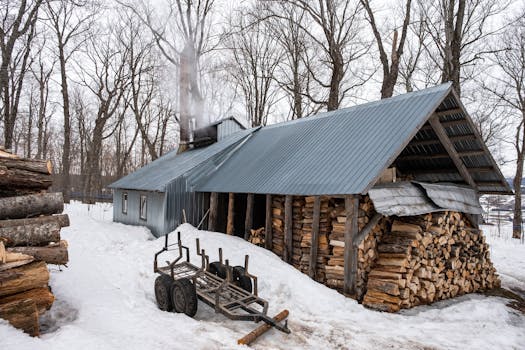 Photo: Felix-Antoine Coutu / Pexels
Despite its popularity, several misconceptions about maple syrup persist, often leading to confusion about its quality or proper use. Addressing these can help you better appreciate and utilize this natural sweetener. Furthermore, knowing how to properly store your maple syrup ensures its longevity and maintains its delicious flavor, allowing you to enjoy it for months, if not years.
**Common Misconceptions:**
* **'Grade B is inferior to Grade A':** This is perhaps the most significant misconception stemming from the old grading system. As discussed, the new system clarifies that all grades are 100% pure maple syrup. 'Grade B' (now largely equivalent to Dark or Very Dark) was never inferior in quality; it simply had a different, more robust flavor profile, often preferred by chefs for baking and cooking. The new system aims to eliminate this perception entirely.
* **'Darker syrup means more sugar':** All pure maple syrup, regardless of grade, has roughly the same sugar content (typically around 66-67%). The difference in color and flavor comes from natural compounds that develop during the boiling process and as the sugaring season progresses, not from varying sugar levels.
* **'Maple syrup is unhealthy':** While it is a sweetener and should be consumed in moderation, pure maple syrup is a natural product with beneficial minerals like manganese, zinc, calcium, and potassium, and is also rich in antioxidants. It's a far healthier alternative to refined sugars or artificial sweeteners, offering more nutritional value. Always look for '100% Pure Maple Syrup' to avoid blends with corn syrup or other additives.
* **'All maple syrup tastes the same':** As we've thoroughly explored, this is far from the truth! Each grade offers a distinct flavor profile, from delicate and subtle to strong and robust. Recognizing these differences opens up a world of culinary possibilities.
**Tips for Storing Maple Syrup:**
* **Unopened Bottles:** Unopened containers of pure maple syrup can be stored at room temperature in a cool, dark place, like a pantry, for extended periods, often up to two years. The high sugar content acts as a natural preservative.
* **Opened Bottles:** Once opened, maple syrup *must* be refrigerated. Exposure to air and warmer temperatures can lead to mold growth. Stored in the refrigerator, an opened bottle can last for several months, typically up to a year.
* **Freezing for Longevity:** For even longer storage, maple syrup can be frozen indefinitely. Because of its high sugar content, it won't freeze solid, but rather become very thick, like a slushy. You can easily scoop out what you need. This is particularly useful if you buy larger quantities or want to preserve a special batch.
* **Dealing with Mold:** If you ever notice mold on your maple syrup, unfortunately, the entire contents should be discarded. Unlike jams where you might skim off mold, maple syrup's consistency allows mold spores to penetrate deeper, making it unsafe to consume.
* **Proper Containers:** Store maple syrup in its original, airtight container or transfer it to a clean, tightly sealed glass jar or plastic bottle. Avoid leaving it exposed to air.
By dispelling these myths and following simple storage guidelines, you can ensure that every drop of your Canadian maple syrup is enjoyed to its fullest, tasting just as rich and delicious as intended. Experiment with the different grades, understand their nuances, and you'll find maple syrup to be an incredibly versatile and rewarding ingredient in your kitchen.
