Boost Confidence: Essential Tips for Quiet Individuals

Boost Confidence: Essential Tips for Quiet Individuals

Discover practical, nutrition-focused strategies to empower your quiet nature and thrive in Canadian settings.

Start Your Journey

Key Takeaways

  • ✓ Nutritional deficiencies can exacerbate feelings of anxiety and low confidence.
  • ✓ Mindful eating practices can significantly enhance self-awareness and self-esteem.
  • ✓ Specific micronutrients, like B vitamins and magnesium, play a crucial role in mood regulation.
  • ✓ Social situations often present unique food-related challenges for quiet individuals.

How It Works

1
Assess Your Current Nutritional Habits

Begin by evaluating your daily food intake and identifying any potential gaps or areas for improvement. This foundational step helps pinpoint where nutritional adjustments can have the most impact on your well-being.

2
Integrate Mood-Boosting Foods

Incorporate foods rich in omega-3 fatty acids, probiotics, and complex carbohydrates into your diet. These nutrients are known to support brain health and stabilize mood, providing a biochemical foundation for increased confidence.

3
Practice Mindful Eating Techniques

Slow down your meals, pay attention to textures and flavors, and listen to your body's hunger and fullness cues. Mindful eating reduces stress, enhances enjoyment, and builds a stronger connection between your body and mind.

4
Develop Social Eating Strategies

Prepare for social gatherings by planning your meals, bringing a dish to share, or researching menu options beforehand. This proactive approach minimizes anxiety and allows you to enjoy the social aspect of food without undue stress.

Understanding the Quiet Disposition and Nutritional Needs

Adult woman concentrated on laptop work with breakfast beside. Indoor home setting of relaxed working atmosphere. Photo: Helena Lopes / Pexels
For many quiet individuals, navigating a bustling, extrovert-oriented world can present unique challenges, and this often extends to our relationship with food and social eating. It's not just about being reserved; it's about processing information deeply, preferring smaller groups, and often feeling overwhelmed by excessive stimulation. This inherent disposition can influence dietary choices, meal timing, and even how comfortable one feels in various dining environments. For instance, a quiet individual might gravitate towards solitary meals, or find communal dining experiences particularly taxing due to the constant chatter and pressure to engage. Understanding this connection is the first step in harnessing the power of nutrition to cultivate inner strength and outward confidence. Our bodies and minds are intrinsically linked, and what we consume directly impacts our emotional and mental states. For those with a quieter nature, who might be more susceptible to stress or overstimulation, a well-balanced, nutrient-dense diet becomes even more critical. Think of your diet as the fuel for your internal engine – a premium engine requires premium fuel. Deficiencies in key vitamins and minerals can exacerbate feelings of anxiety, fatigue, and low self-esteem, making it even harder to step outside one's comfort zone. For example, a lack of B vitamins, crucial for neurotransmitter function, can lead to increased irritability and reduced ability to cope with stress. Similarly, insufficient magnesium, often called nature's tranquilizer, can contribute to heightened anxiety. Recognizing these physiological links empowers quiet individuals to make informed dietary choices that directly support their mental and emotional resilience. In Canada, with our diverse culinary landscape and access to fresh, local produce, there's an incredible opportunity to tailor a diet that specifically addresses these needs. Consider incorporating foods rich in omega-3 fatty acids, found in Canadian salmon or flaxseeds, which are vital for brain health and mood regulation. Prioritizing complex carbohydrates like oats or quinoa can provide a steady release of energy and promote serotonin production, a key neurotransmitter for feelings of well-being. By consciously choosing foods that nurture both body and mind, quiet individuals can build a robust internal foundation, allowing their confidence to blossom naturally. This isn't about changing who you are, but rather empowering your authentic self through informed nourishment. Discover Canadian superfoods that boost mood and integrate them into your daily routine. Furthermore, the act of preparing and consuming nourishing meals can become a form of self-care, a quiet ritual that reinforces self-worth and autonomy. This deliberate attention to one's nutritional well-being can foster a sense of control and empowerment, which are fundamental building blocks for boosting confidence. It's a quiet revolution from the inside out, where each bite contributes to a stronger, more resilient you.

Fueling Your Inner Strength: Key Nutrients for Enhanced Confidence
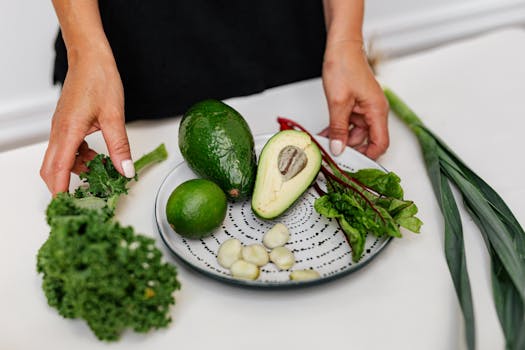
Top view of assorted fresh ingredients including avocado and kale on a plate. Perfect for healthy eating themes. Photo: www.kaboompics.com / Pexels
Building confidence from within, especially for quiet individuals, relies heavily on providing your body with the right building blocks. The connection between nutrition and mental well-being is profound, and certain nutrients are particularly instrumental in supporting brain function, mood stability, and stress resilience – all crucial components of self-assurance. Let's delve into the specific dietary components that can act as allies in your journey to boost confidence. First on the list are Omega-3 Fatty Acids. These essential fats, primarily EPA and DHA, are vital for brain health. They play a significant role in reducing inflammation, improving neurotransmitter function, and supporting overall cognitive performance. Research suggests that adequate omega-3 intake can help alleviate symptoms of anxiety and depression, which often silently undermine confidence in quiet individuals. Excellent Canadian sources include fatty fish like salmon, mackerel, and trout, as well as flaxseeds, chia seeds, and walnuts. Incorporating these into your diet regularly can provide a steady supply of these brain-boosting fats. Next, consider the power of B Vitamins, particularly B6, B9 (folate), and B12. These vitamins are indispensable for the production of neurotransmitters like serotonin, dopamine, and norepinephrine, which regulate mood, sleep, and stress response. A deficiency in any of these can lead to fatigue, irritability, and a diminished capacity to handle social pressures, all of which chip away at confidence. You can find B vitamins in a variety of Canadian staples: whole grains, leafy green vegetables, legumes, eggs, and lean meats. A balanced intake ensures your brain has the necessary cofactors to maintain optimal emotional balance. Magnesium is another powerhouse mineral often overlooked. Known as a natural relaxant, magnesium plays a role in over 300 biochemical reactions in the body, including those that regulate stress and anxiety. For quiet individuals who might experience heightened stress responses in social situations, ensuring adequate magnesium intake can be a game-changer. Rich sources include dark leafy greens (like spinach and kale), nuts (almonds, cashews), seeds (pumpkin, sunflower), legumes, and dark chocolate. A magnesium-rich diet can help calm the nervous system, leading to a greater sense of calm and self-possession. Probiotics and gut health cannot be overstated. The gut-brain axis is a rapidly expanding area of research, showing a direct communication pathway between your gut microbiome and your brain. A healthy gut microbiome can influence mood, reduce stress, and even impact cognitive function. Fermented foods like yogurt, kefir, sauerkraut, and kimchi are excellent sources of beneficial bacteria. By nurturing your gut, you're not just improving digestion; you're also laying a foundation for better mental health and resilience, which are intrinsic to feeling confident. Finally, complex carbohydrates, found in whole grains, fruits, and vegetables, provide a steady release of glucose, the brain's primary fuel source. Unlike simple sugars that lead to energy spikes and crashes, complex carbs ensure sustained energy and stable blood sugar levels, preventing mood swings and irritability. This consistent energy supply allows for clearer thinking and a more stable emotional state, enabling quiet individuals to engage more effectively and confidently in their daily interactions. By strategically incorporating these key nutrients, you're not just eating; you're actively investing in your mental fortitude and cultivating an unshakeable inner confidence.

For more options, check out pairsjp.com.

Mindful Eating and Social Strategies for the Quiet Individual

Person adding toppings to bowls of oatmeal on a sunlit table, featuring nuts and raisins. Photo: Şevval Çadır / Pexels
Beyond the specific nutrients, the *how* of eating plays an equally vital role in boosting confidence, especially for quiet individuals navigating the complexities of social dining or simply finding peace in their meals. Mindful eating is a powerful practice that can transform your relationship with food and, by extension, with yourself. It involves paying full attention to the experience of eating – the smells, textures, flavors, and the physical sensations of hunger and fullness – without judgment. For someone who might often feel overwhelmed or overlooked, mindful eating offers a sanctuary, a moment to reconnect with their internal experience and assert their presence, even if silently. Practicing mindful eating can significantly reduce anxiety around food, whether it's related to body image, dietary restrictions, or social pressure. By slowing down, savoring each bite, and truly listening to your body, you develop a deeper sense of self-awareness and self-respect. This internal validation is a cornerstone of confidence. Instead of rushing through a meal or eating distractedly, take a few deep breaths before you begin. Notice the appearance of your food, its aroma, and the sensations in your mouth as you chew. This deliberate engagement can turn a mundane act into a powerful exercise in self-care and self-affirmation. Learn more about the benefits of mindful eating for stress reduction and how it can empower your quiet nature. Social eating, however, presents a unique set of challenges for quiet individuals. The pressure to engage in small talk, the noise levels, and the sheer number of people can be incredibly draining. Instead of avoiding these situations, which can lead to isolation and further diminish confidence, developing strategic approaches can make them manageable and even enjoyable. One effective strategy is to prepare beforehand. If you know you're attending a potluck, offer to bring a dish you enjoy and feel comfortable discussing. This gives you a familiar anchor and a conversation starter, reducing the pressure to initiate talk from scratch. If it's a restaurant, discreetly check the menu online beforehand to avoid last-minute decision-making stress and ensure there are options that align with your dietary preferences and confidence-boosting nutritional goals. Another tip is to focus on active listening. Quiet individuals often excel at this. Instead of feeling pressured to speak, genuinely listen to others. Ask open-ended questions that show you're engaged, and let the conversation flow naturally. You don't need to dominate the discussion to be a valued participant. Sometimes, a well-timed, thoughtful question or comment can have more impact than constant chatter. Remember, your quietness is not a deficit; it's a strength that allows for deeper observation and reflection. Leverage this strength in social settings. Furthermore, consider the environment. If possible, choose a seating arrangement that feels less overwhelming, perhaps at the end of a table or near a wall, rather than in the middle of the action. It's also perfectly acceptable to take short breaks if you feel overstimulated; a quick trip to the washroom or stepping outside for a few minutes can help you recenter. By combining mindful eating practices with thoughtful social strategies, quiet individuals can navigate food-related situations with greater ease, fostering a quiet confidence that radiates from within.

Practical Canadian Food Choices and Common Pitfalls to Avoid

Embracing a confidence-boosting diet in Canada is both accessible and delicious, given our rich agricultural landscape and diverse culinary influences. To truly leverage food for enhanced well-being as a quiet individual, it's crucial to make practical choices while also being aware of common dietary pitfalls that can undermine your efforts. **Practical Canadian Food Choices for Confidence:** * **Wild Pacific Salmon:** Rich in Omega-3s, essential for brain health and mood regulation. Easily found fresh or frozen across Canada. Consider it baked, grilled, or in a simple salad. * **Flaxseeds and Chia Seeds:** Excellent plant-based sources of Omega-3s, fibre, and lignans. Sprinkle them on Canadian-grown oats, yogurt, or blend into smoothies. * **Lentils and Chickpeas:** Abundant in Canada, these legumes are packed with B vitamins, magnesium, and fibre. They provide sustained energy and support gut health. Use them in hearty soups, stews, or even homemade hummus. * **Maple Syrup (in moderation):** While a sugar, pure Canadian maple syrup contains antioxidants and minerals, making it a slightly better alternative to refined sugars when a touch of sweetness is needed. Use sparingly in baking or as a natural sweetener for your morning oats. * **Berries (Blueberries, Raspberries):** Canadian summers bring a bounty of these antioxidant-rich fruits. They support cognitive function and provide vital vitamins. Enjoy them fresh, frozen in smoothies, or atop your breakfast. * **Whole Grains (Oats, Barley, Quinoa):** These provide complex carbohydrates for stable energy and serotonin production. Look for Canadian-grown oats for your breakfast porridge or use barley in stews. * **Leafy Greens (Kale, Spinach):** Packed with magnesium, folate, and other B vitamins. Incorporate them into salads, smoothies, or sautéed as a side dish. **Common Pitfalls to Avoid:** * **Excessive Caffeine:** While a morning coffee is fine, overdoing it can exacerbate anxiety and jitters, making quiet individuals feel even more on edge in social situations. Monitor your intake, especially in the afternoons. * **Processed Foods and Sugary Snacks:** These lead to blood sugar spikes and crashes, negatively impacting mood and energy levels. They also often lack the essential nutrients needed for brain health. Minimize their consumption. * **Skipping Meals:** For quiet individuals, who might sometimes overlook their hunger cues or avoid eating in stressful situations, skipping meals can lead to low blood sugar, irritability, and reduced focus, hindering confidence. Aim for regular, balanced meals. * **Over-reliance on Comfort Foods:** While occasional comfort food is fine, habitually turning to highly processed, nutrient-poor options for emotional solace can create a cycle of poor nutrition and diminished well-being. Seek out healthy comfort food alternatives. * **Inadequate Hydration:** Dehydration can cause fatigue and poor concentration, affecting your ability to engage confidently. Ensure you're drinking enough water throughout the day. By prioritizing nutrient-dense, whole foods available in Canada and consciously avoiding common dietary traps, quiet individuals can build a robust nutritional foundation that actively supports their journey to boost confidence and thrive.

Comparison

FeatureBest Option (Nutrient-Dense)Alternative 1 (Good)Alternative 2 (Avoid/Limit)
Brain Health & MoodWild Salmon (Omega-3s)Flaxseed Oil (Omega-3s)Trans Fats (Processed Snacks)
Energy StabilityOats (Complex Carbs)Brown Rice (Complex Carbs)White Bread (Simple Carbs)
Stress ReductionSpinach (Magnesium)Almonds (Magnesium)Excessive Caffeine
Gut HealthKefir (Probiotics)Sauerkraut (Probiotics)Artificial Sweeteners

What Readers Say

"As a quiet individual, I always struggled with social eating. This guide provided incredibly helpful tips on mindful eating and smart food choices that genuinely Boost Confidence: Essential Tips for Quiet Individuals. I feel more prepared and less anxious now."

Sarah L. · Vancouver, BC

"The focus on Canadian-specific foods was fantastic! I've started incorporating more salmon and lentils, and I've noticed a subtle but definite improvement in my overall mood and ability to engage in group conversations. This article truly helps Boost Confidence: Essential Tips for Quiet Individuals."

Mark T. · Toronto, ON

"I used to skip meals before big meetings out of nerves. Following the advice to maintain stable blood sugar and prioritize B vitamins, I now feel much more grounded and articulate. My confidence in professional settings has soared!"

Emily R. · Calgary, AB

"The information on gut health and its link to confidence was eye-opening. While I'm still working on incorporating all the tips, the mindful eating section has already made a huge difference in my daily life, helping me to Boost Confidence: Essential Tips for Quiet Individuals."

David K. · Montreal, QC

"I appreciate the practical advice for social gatherings. Bringing my own dish or checking menus beforehand has reduced my anxiety significantly. This article is a must-read for anyone looking to Boost Confidence: Essential Tips for Quiet Individuals through nutrition and smart strategies."

Jessica M. · Halifax, NS

Frequently Asked Questions

What is the most crucial nutritional change a quiet individual can make to Boost Confidence: Essential Tips for Quiet Individuals?

Prioritizing a diet rich in omega-3 fatty acids, B vitamins, and magnesium is paramount. These nutrients are directly involved in neurotransmitter production, mood regulation, and stress response, forming the biochemical foundation for enhanced mental resilience and self-assurance.

I often feel overwhelmed in social dining situations. How can food help with this concern?

Strategic food choices and mindful eating practices can significantly help. Ensure you've eaten a balanced meal beforehand to maintain stable blood sugar and energy, preventing 'hanger' or brain fog. Additionally, practicing mindful eating can ground you and reduce anxiety, allowing you to focus on the experience rather than external pressures.

How can I incorporate more mood-boosting foods into my Canadian diet?

Start with local Canadian options! Add wild salmon a couple of times a week, sprinkle flaxseeds on your morning oatmeal, choose whole grains like oats and barley, and snack on berries. Experiment with fermented foods like Canadian-made yogurt or kefir for gut health. Small, consistent changes make a big difference.

Is investing in organic or local Canadian produce worth it for confidence boosting?

While not strictly necessary, choosing organic or local Canadian produce can often mean higher nutrient density and fewer pesticide residues, which supports overall health. Supporting local also creates a sense of community connection. Prioritizing fresh, whole foods, regardless of label, is the most impactful step for your well-being and confidence.

How does mindful eating compare to other stress-reduction techniques for quiet individuals?

Mindful eating is a unique and highly effective stress-reduction technique because it integrates a basic human need (eating) with present-moment awareness. Unlike meditation, which may feel abstract, mindful eating offers a tangible, sensory experience that grounds you, builds self-awareness, and fosters a healthier relationship with food and your body, directly contributing to Boost Confidence: Essential Tips for Quiet Individuals.

Who should use Boost Confidence: Essential Tips for Quiet Individuals?

This guide is specifically designed for anyone who identifies as a quiet individual, introvert, or someone who experiences social anxiety, particularly around food or social gatherings. It's for those seeking practical, nutrition-focused strategies to enhance their self-assurance and thrive in various Canadian social and personal settings.

Are there any risks associated with following these dietary tips to Boost Confidence: Essential Tips for Quiet Individuals?

The dietary tips provided focus on whole, nutrient-dense foods and are generally safe and beneficial. However, if you have specific dietary restrictions, allergies, or underlying health conditions, it's always advisable to consult with a healthcare professional or registered dietitian before making significant changes to your diet.

What future trends in nutrition might further Boost Confidence: Essential Tips for Quiet Individuals?

Future trends are likely to focus more on personalized nutrition based on individual gut microbiome analysis, specific genetic predispositions, and even AI-driven dietary recommendations. Expect deeper insights into the gut-brain axis and targeted supplements that precisely address individual deficiencies impacting mood and confidence.

Ready to embrace your quiet strength and Boost Confidence: Essential Tips for Quiet Individuals? Start implementing these nutrition-focused tips today and discover a more empowered, resilient you, ready to thrive in any Canadian setting.

Topics: Boost Confidence: Essential Tips for Quiet Individualsintrovert confidence foodnutrition for social anxietyquiet individual well-beingCanadian food confidence
Leo List
Brampton weed
Adultwork