✓ Over 2 million Canadians are estimated to be affected by celiac disease or gluten sensitivity.
✓ The Canadian gluten-free market is rapidly expanding, offering diverse product ranges.
✓ Many traditional Canadian treats now have excellent gluten-free alternatives.
✓ Reading labels for 'certified gluten-free' is crucial for those with celiac disease.
How It Works
1
Identify Your Craving
Whether you're in the mood for something sweet, savory, or a healthy bite, pinpoint what you're looking for. This helps narrow down the vast selection of Canadian gluten-free options.
2
Check for Certification
Always look for a 'certified gluten-free' label on packaging, especially for celiac disease. This ensures the product meets strict Canadian standards for gluten content (less than 20 ppm).
3
Explore Local & National Brands
Many Canadian brands, both large and small, specialize in or offer gluten-free lines. Discover hidden gems at local health food stores or popular options at major supermarkets nationwide.
4
Enjoy Responsibly & Safely
Once you've found your perfect snack, savour it! Remember to store snacks properly and be mindful of cross-contamination if preparing alongside gluten-containing foods.
The Rise of Gluten-Free Living in Canada: A Culinary Revolution
The landscape of Canadian food culture has undergone a significant transformation in recent years, largely driven by an increased understanding and awareness of gluten-related disorders. What was once a niche market catering to a small segment of the population has blossomed into a mainstream movement, with an ever-expanding array of delicious and safe gluten-free options available across the country. For millions of Canadians, navigating the grocery aisles and restaurant menus used to be a daunting task, often fraught with anxiety about accidental gluten exposure. Today, however, the picture is much brighter. From coast to coast, consumers can find an impressive selection of gluten-free Canadian snacks, ranging from traditional favourites reimagined without gluten to innovative new products designed specifically for this dietary need.
This shift isn't just about catering to those with celiac disease, an autoimmune condition where gluten ingestion damages the small intestine. It also extends to individuals with non-celiac gluten sensitivity (NCGS), wheat allergies, or those who simply choose to avoid gluten for perceived health benefits or personal preference. The demand has spurred Canadian food manufacturers, both large corporations and small artisanal producers, to innovate and develop products that not only meet strict gluten-free standards but also deliver on taste and texture. This commitment to quality and safety is paramount, especially for individuals with celiac disease, where even trace amounts of gluten can trigger severe symptoms. The Canadian Celiac Association (CCA) plays a vital role in educating consumers and advocating for clear labeling, making it easier for Canadians to make informed choices. The availability of certified gluten-free products provides a much-needed sense of security and opens up a world of culinary possibilities that were once out of reach. This culinary revolution means that enjoying a classic Canadian treat, or discovering a new local delight, no longer has to come with a side of dietary compromise. The market is vibrant, diverse, and continuously evolving, promising even more exciting gluten-free innovations in the years to come. Understanding the 'why' behind this growth helps us appreciate the 'what' – the incredible variety of snacks now at our fingertips. Learn more about healthy eating habits in Canada to complement your gluten-free snack choices.
Savoury Delights: Your Guide to Canadian Gluten-Free Savoury Snacks
When those savory cravings strike, Canadians following a gluten-free diet have a fantastic array of options to choose from that go far beyond plain rice crackers. The innovation in the savoury snack market has been particularly impressive, with manufacturers successfully replicating the satisfying crunch and robust flavours that consumers love, all without a trace of gluten. One of the most popular categories experiencing a gluten-free renaissance is chips and crisps. Many Canadian brands now offer certified gluten-free potato chips, often using simple, natural ingredients. Look for brands that clearly state 'gluten-free' on their packaging, as cross-contamination can be a concern in facilities that also process gluten-containing products. Beyond classic potato chips, vegetable-based crisps made from sweet potato, beet, or kale have become a staple, offering a more nutrient-dense alternative with unique flavour profiles. These are often naturally gluten-free but always worth a double-check on the label.
Another beloved savoury snack category seeing significant growth is crackers and crispbreads. Gone are the days of dense, flavourless gluten-free crackers. Today, you can find light, airy, and flavourful options made from a variety of flours like rice, corn, almond, or even seed blends. These are perfect for pairing with Canadian cheeses, hummus, or your favourite dips. For those who enjoy a heartier crunch, gluten-free pretzels and snack mixes are also readily available, providing that satisfying salty bite. Indigenous-inspired snacks, often featuring corn or wild rice, can also be naturally gluten-free and offer a unique Canadian flavour experience. When selecting savoury snacks, pay attention to ingredient lists for hidden gluten sources like modified food starch (unless specified gluten-free), soy sauce (unless tamari), and flavourings. Opting for products with the 'certified gluten-free' symbol provides the highest assurance. These savoury options ensure that snack time remains enjoyable and worry-free for everyone. The diversity means you can always find something to satisfy your taste buds, whether you're looking for a quick bite on the go or something to share with friends. From crunchy to chewy, the Canadian gluten-free savoury snack market has truly elevated the snacking experience for those avoiding gluten.
Sweet Indulgences: Exploring Gluten-Free Canadian Sweet Treats
For those with a sweet tooth, the world of gluten-free Canadian snacks offers an equally delightful and expanding selection. No longer do individuals avoiding gluten have to miss out on the joy of a comforting cookie, a decadent brownie, or a chewy granola bar. Canadian bakers and food producers have embraced the challenge of creating delicious sweet treats that are both safe and satisfying. One of the most common and beloved sweet snacks to find in gluten-free versions are cookies and brownies. Many local bakeries and larger brands now offer an impressive range, from classic chocolate chip and oatmeal raisin (using certified gluten-free oats) to more gourmet options. These often utilize alternative flours like almond flour, rice flour, or tapioca starch to achieve desirable textures and flavours. When purchasing pre-packaged cookies or brownies, always check for the 'gluten-free' certification to ensure safety, especially if celiac disease is a concern.
Granola bars and energy bites are another popular choice for a quick, sweet pick-me-up. Many Canadian brands specialize in creating bars free from gluten, often packed with nuts, seeds, dried fruits, and natural sweeteners. These are excellent for on-the-go snacking, post-workout fuel, or a healthy addition to a lunchbox. Be cautious with granola products, as oats can sometimes be cross-contaminated with wheat during processing; always look for 'certified gluten-free oats' on the ingredient list. Fruit-based snacks, such as dried fruit mixes, fruit leathers, and fruit crisps, are naturally gluten-free and offer a wholesome, sweet option. Many Canadian companies produce these with locally sourced fruits, adding a touch of regional flavour. For a truly indulgent experience, several Canadian confectioners now offer gluten-free chocolates and candies. While many chocolates are inherently gluten-free, some can contain gluten-containing additives or be processed on shared equipment, so checking the label is always recommended. From artisanal chocolates to mainstream candies, the options for a sweet, gluten-free treat are abundant. Whether you're craving something rich and chocolatey or light and fruity, the Canadian market ensures that sweet indulgences are accessible and safe for everyone. Discover more about Canadian food safety standards.
Smart Snacking: Tips for Choosing and Storing Gluten-Free Canadian Snacks
Navigating the world of gluten-free Canadian snacks successfully requires a bit of knowledge and careful practice. While the availability of options has vastly improved, ensuring safety and maximizing enjoyment involves more than just picking up the first gluten-free label you see. Here are essential tips for choosing, storing, and enjoying your gluten-free Canadian snacks:
* **Always Read Labels Carefully:** This is the golden rule for anyone on a gluten-free diet. Look for the 'certified gluten-free' symbol or statement on packaging. In Canada, products labeled as 'gluten-free' must contain less than 20 parts per million (ppm) of gluten, which is the internationally accepted standard. Don't assume a product is gluten-free just because it seems to be made of naturally gluten-free ingredients, as cross-contamination can occur during processing.
* **Beware of Hidden Gluten:** Some ingredients can contain hidden gluten. Watch out for modified food starch (unless specified as gluten-free), malt (often derived from barley), natural flavourings (sometimes contain gluten), and certain thickeners or binders. When in doubt, contact the manufacturer or opt for products with clear gluten-free certification.
* **Explore Local & Small Brands:** Many small Canadian businesses and artisanal producers specialize in gluten-free products, often using high-quality, local ingredients. Check out farmers' markets, specialty health food stores, and local online directories to discover unique and delicious options that might not be available in larger supermarkets.
* **Prevent Cross-Contamination at Home:** For those with celiac disease, preventing cross-contamination in the kitchen is crucial. Use separate cutting boards, toasters, utensils, and food preparation surfaces for gluten-free items, or thoroughly clean them before use. Store gluten-free snacks in sealed containers separate from gluten-containing foods.
* **Prioritize Whole Foods:** While packaged gluten-free snacks are convenient, remember that many naturally gluten-free whole foods make excellent snacks. Fresh fruits, vegetables, nuts, seeds, and plain dairy products are naturally gluten-free and packed with nutrients. Incorporating these into your snacking routine ensures a balanced diet.
* **Store Properly for Freshness:** Gluten-free baked goods can sometimes dry out faster than their gluten-containing counterparts. Store them in airtight containers, or freeze them if you're not going to consume them quickly. Follow storage instructions on packaging to maintain optimal taste and texture.
By following these tips, you can confidently navigate the vast and delicious world of gluten-free Canadian snacks, ensuring both safety and satisfaction with every bite.
Comparison
Feature
Bumkins Gluten-Free Crackers
MadeGood Granola Bars
Enjoy Life Foods Cookies
Hardbite Potato Chips
Type
Savoury Crackers
Sweet Granola Bar
Sweet Cookies
Savoury Potato Chips
Key Ingredients
Rice & Seed Blends
Gluten-Free Oats, Fruits
Rice Flour, Chocolate
Potatoes, Sea Salt
Allergens (Top 8 Free)
✗ (Contains sesame)
✓
✓
✓
Canadian Made
✓
✓
✓ (North American)
✓
Certified GF
✓
✓
✓
✓
Texture Profile
Crisp, Light
Chewy, Soft
Soft, Chewy
Crunchy, Thin
Best For
Dips & Spreads
On-the-go energy
Dessert & Treats
Classic Snacking
What Our Readers Say
5★★★★★
"Finding truly delicious gluten-free Canadian snacks used to be a struggle, but this guide opened my eyes to so many amazing local brands. The MadeGood granola bars are a game-changer for my kids' lunchboxes, and I love the variety of savory crackers for my cheese boards."
Sarah L.Toronto, ON
5★★★★★
"As someone with celiac disease, safety is my number one priority. This article's emphasis on certified gluten-free products and cross-contamination tips was incredibly helpful. I've been enjoying Hardbite chips without any worries."
Marc P.Vancouver, BC
5★★★★★
"I used to think gluten-free meant tasteless, but these Canadian snacks prove me wrong! I particularly loved the suggestions for sweet treats; the Enjoy Life cookies are now a pantry staple, and they're safe for my nut-allergic friends too."
Emily C.Calgary, AB
4★★★★☆
"The guide is comprehensive and well-researched, though I wish there were more specific recommendations for smaller, regional Maritime brands. Still, the general advice on label reading and cross-contamination is invaluable for anyone managing a gluten-free diet."
David R.Halifax, NS
5★★★★★
"Travelling across Canada with dietary restrictions can be tough, but this article gave me the confidence to explore local snack options in different provinces. It's fantastic to see so many Canadian companies stepping up to offer such high-quality gluten-free choices."
Jessica M.Montreal, QC
Frequently Asked Questions
What does 'certified gluten-free' mean in Canada?
In Canada, a 'certified gluten-free' label indicates that the product has been verified by a third party to contain less than 20 parts per million (ppm) of gluten, which is the international standard for gluten-free products. This certification offers the highest level of assurance for individuals with celiac disease or severe gluten sensitivity, ensuring strict adherence to manufacturing and testing protocols.
Are all naturally gluten-free foods safe from cross-contamination?
While many foods are naturally gluten-free (like fresh fruits, vegetables, and plain meats), they can still be subject to cross-contamination during processing, packaging, or even at home. For instance, oats are naturally gluten-free, but if processed on shared equipment with wheat, they can become contaminated. Always look for 'certified gluten-free' on packaged products, even for inherently gluten-free ingredients, if you have celiac disease or high sensitivity.
How can I find local Canadian gluten-free snack brands?
To discover local Canadian gluten-free snack brands, start by visiting farmers' markets, specialty health food stores, and independent grocery stores in your area. Many local producers don't have wide distribution but offer unique and high-quality products. Online communities, local food blogs, and the Canadian Celiac Association website can also be great resources for finding regional gluten-free gems.
Are gluten-free snacks more expensive in Canada?
Generally, gluten-free snacks can sometimes be more expensive than their gluten-containing counterparts due to specialized ingredients, dedicated production facilities to prevent cross-contamination, and smaller production volumes. However, as demand grows and more brands enter the market, prices are becoming more competitive. Shopping sales, buying in bulk, and exploring store brands can help manage costs.
How do Canadian gluten-free snack options compare to those in the US or Europe?
Canada's gluten-free snack market is robust and comparable in quality and variety to those in the US and Europe. Canadian regulations for 'gluten-free' labeling are aligned with international standards (less than 20 ppm). While specific brands may differ, the overall range of savoury, sweet, and healthy gluten-free options available to Canadian consumers is extensive and continuously growing, often incorporating unique Canadian ingredients and flavours.
Who should prioritize certified gluten-free snacks?
Individuals diagnosed with celiac disease or those with severe non-celiac gluten sensitivity should prioritize certified gluten-free snacks. For these individuals, even trace amounts of gluten can cause significant health issues. Others who choose to avoid gluten for personal preference or mild sensitivity may have more flexibility, but certified products still offer the highest level of assurance.
Are there any health risks associated with a gluten-free diet if not managed properly?
While a gluten-free diet is essential for those with celiac disease, improper management can lead to nutritional deficiencies if not carefully planned. Gluten-free products can sometimes be lower in fiber, iron, folate, and B vitamins. It's important to consume a variety of naturally gluten-free whole foods and fortified gluten-free products, and consult with a healthcare professional or registered dietitian to ensure nutritional adequacy.
What are the future trends for gluten-free Canadian snacks?
Future trends for gluten-free Canadian snacks are likely to include an even greater emphasis on plant-based ingredients, sustainable sourcing, and functional foods with added health benefits (e.g., probiotics, adaptogens). We can also expect more innovative flavour combinations, continued improvements in texture and taste to mirror traditional snacks, and an expansion of ready-to-eat and convenient single-serving options to meet busy lifestyles.
Embrace the freedom of delicious, safe snacking! With this comprehensive guide, you're now equipped to explore the vibrant world of gluten free Canadian snacks and discover your new favourite treats. Start your gluten-free culinary adventure today.

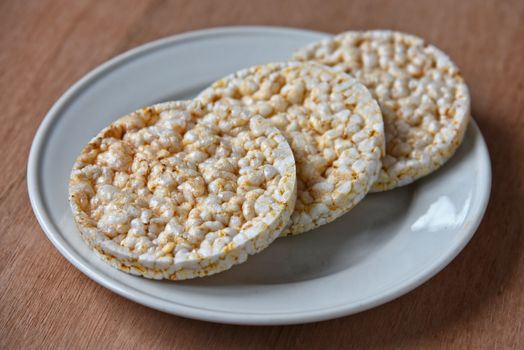 Photo: Mabel Amber / Pexels